

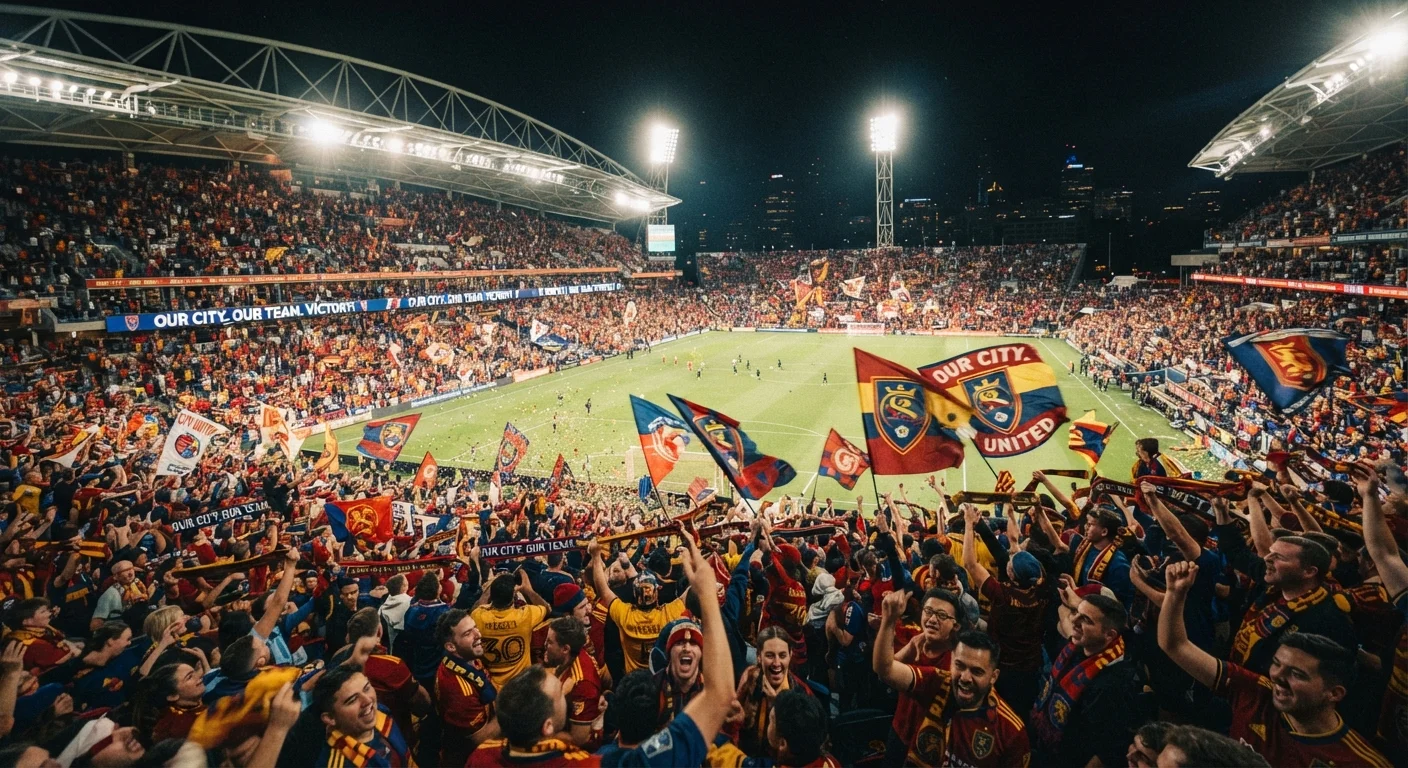
The Roots of Team Loyalty in American Life
Ask most American sports fans when they chose their team, and a surprising number will tell you they didn't — it was chosen for them. A parent's allegiance, a city's dominant franchise, a childhood bedroom covered in pennants: team loyalty in the U.S. is frequently inherited before it is consciously adopted. This inherited dimension is part of what makes fandom feel less like a preference and more like an identity.
That identity is also deeply geographic. Supporting the Green Bay Packers in Wisconsin or the Dallas Cowboys in Texas isn't merely a sports choice — it's a statement about place. American sports franchises are often woven into the civic fabric of their cities and regions in ways that few other cultural institutions match. Regional identity across the U.S. runs remarkably deep, and in many places, the local team is one of its most visible expressions.
College sports add another layer entirely. In states without major professional franchises — or where college rivalries predate the pros — allegiance to a university team can carry the emotional weight that NFL or NBA fandom holds elsewhere. The University of Alabama's football program, for instance, is not merely a sporting concern; it is a shared cultural institution for much of the state.
The Ritual Life of American Fans
Sports fandom in America is maintained not just through watching games but through ritual. Tailgating — the practice of gathering outside a stadium before a game, sharing food and conversation — is a uniquely American phenomenon that transforms a parking lot into a temporary community. Game-day rituals, lucky jerseys, and superstitions (however irrational) all reinforce a sense of participation in something larger than the self.
These rituals create continuity across generations. A family that has tailgated together for 30 years is practicing a form of cultural transmission. The team becomes a vehicle for memory and relationship — a shared reference point that connects grandparents to grandchildren across decades of wins, losses, and life changes.
“Sport has the power to change the world. It has the power to inspire, the power to unite people in a way that little else does.”
— Nelson Mandela, Former President of South Africa and Nobel Peace Prize Laureate, speaking at the Laureus World Sports Awards
Fan culture also shows up in how Americans dress. The rise of jersey culture — wearing a player's number as casual attire — tracks closely with broader shifts in fashion. Athleisure's expansion into everyday American wardrobes created a cultural opening for sports gear to travel far beyond game day, and fans took it. Today, a team hoodie worn to brunch or a fitted cap at a concert is a recognizable form of self-expression.
Fandom in the Digital Age
Social media fundamentally restructured what it means to be a fan. Before platforms like X (formerly Twitter), Reddit, and TikTok, fandom was largely a local or in-person experience. Now it's global, continuous, and participatory. A fan in rural Kansas can spend their evenings debating roster moves with fans in Boston, Los Angeles, and London — all in real time.
63%
Americans who identify as sports fans
According to a Gallup survey, roughly six in ten American adults describe themselves as sports fans, reflecting fandom's broad cultural reach.
45M+
Fantasy sports participants in the U.S.
The Fantasy Sports & Gaming Association has estimated that tens of millions of Americans play fantasy sports annually, deepening personal investment in teams and players beyond casual viewership.
Top 10
Most-watched TV events are sports broadcasts
Historically, Super Bowl broadcasts consistently rank among the most-watched single television events in American history, underscoring sports' unique grip on collective national attention.
This always-on quality has intensified fan identity. When a team wins, the reaction is immediate and collective; when they lose, the communal processing is equally swift. Fan communities online exhibit the social cohesion and in-group dynamics that sociologists associate with tightly bonded groups — complete with shared language, inside references, and clear boundaries between "us" and "them." This mirrors the dynamics of internet subcultures more broadly, where identity is constructed through community participation.
There is also a nostalgia dimension at play. Throwback jerseys, retro logos, and anniversary celebrations tap into the same cultural appetite that drives reboots and remakes in entertainment — a longing for continuity in a fast-moving world. Nostalgia's grip on American entertainment finds one of its most reliable expressions in sports, where history and memory are central to the product.
Why Fandom Matters Beyond the Scoreboard
Research in social psychology suggests that strong group identities — including fan communities — can support feelings of belonging and reduce social isolation. The shared emotional experience of rooting for a team, win or lose, provides a framework for connection that many Americans find meaningful in an increasingly fragmented social landscape.
That said, the same intensity that makes fandom rewarding can tip into tribalism. Rivalries between fan bases sometimes produce hostility rather than camaraderie, and the win-or-lose stakes of sports can amplify stress rather than relieve it. Fandom, like most powerful social forces, is not a simple good or a simple ill — it reflects the full complexity of human community.
What's clear is that American sports fandom is not a passive or frivolous activity for the millions who practice it. It is a living expression of identity — regional, familial, generational, and increasingly digital. The jersey on your back and the team on your lips say something about who you are, where you belong, and what you've inherited. That's more than a game.
Frequently Asked Questions
Sports teams frequently serve as anchors for regional pride, family tradition, and community belonging. Rooting for a team creates a shared emotional experience that links individuals to a broader group, which psychologists associate with a stronger sense of identity and purpose.
Not exactly. Fan culture varies significantly by region — football dominates many Southern and Midwestern communities, while hockey holds deep roots in the Northeast and Upper Midwest. College sports often rival or surpass professional leagues in certain states.
Social media has made fandom a continuous, participatory experience rather than a game-day event. Fans debate trades, celebrate plays, and build communities online around the clock, amplifying team identity well beyond the stadium.
Research suggests that active participation in fan communities can boost feelings of belonging and reduce social isolation. However, intense emotional investment in wins and losses can also produce stress, so balance matters. This is general information, not personal mental health advice.
Team jerseys and fan apparel have crossed from stadium wear into everyday fashion, influenced by athleisure and streetwear movements. Wearing a team's gear is now a recognized form of self-expression that extends well beyond game day.
The content on this site is for informational purposes only and is not a substitute for professional advice. Always consult a qualified professional for guidance specific to your situation.