

Summary

22 items · 20–40 minutes

Why a Checklist Approach Makes Sense for Going Electric

Switching to an electric vehicle is not a single decision — it is a cluster of overlapping assessments about where you live, how you drive, what you can spend, and what infrastructure surrounds you. Going through each factor systematically helps avoid the most common regrets that first-time EV owners report.

Before diving into the checklist, it helps to understand that EVs, plug-in hybrids, and hydrogen vehicles each represent a different trade-off. If you are still weighing powertrain types, see our comparison of electric, hydrogen, and hybrid powertrains to ground your thinking. Once you have settled on a battery-electric vehicle as your target, the items below will help you stress-test that choice against your real life.

Home Charging Setup

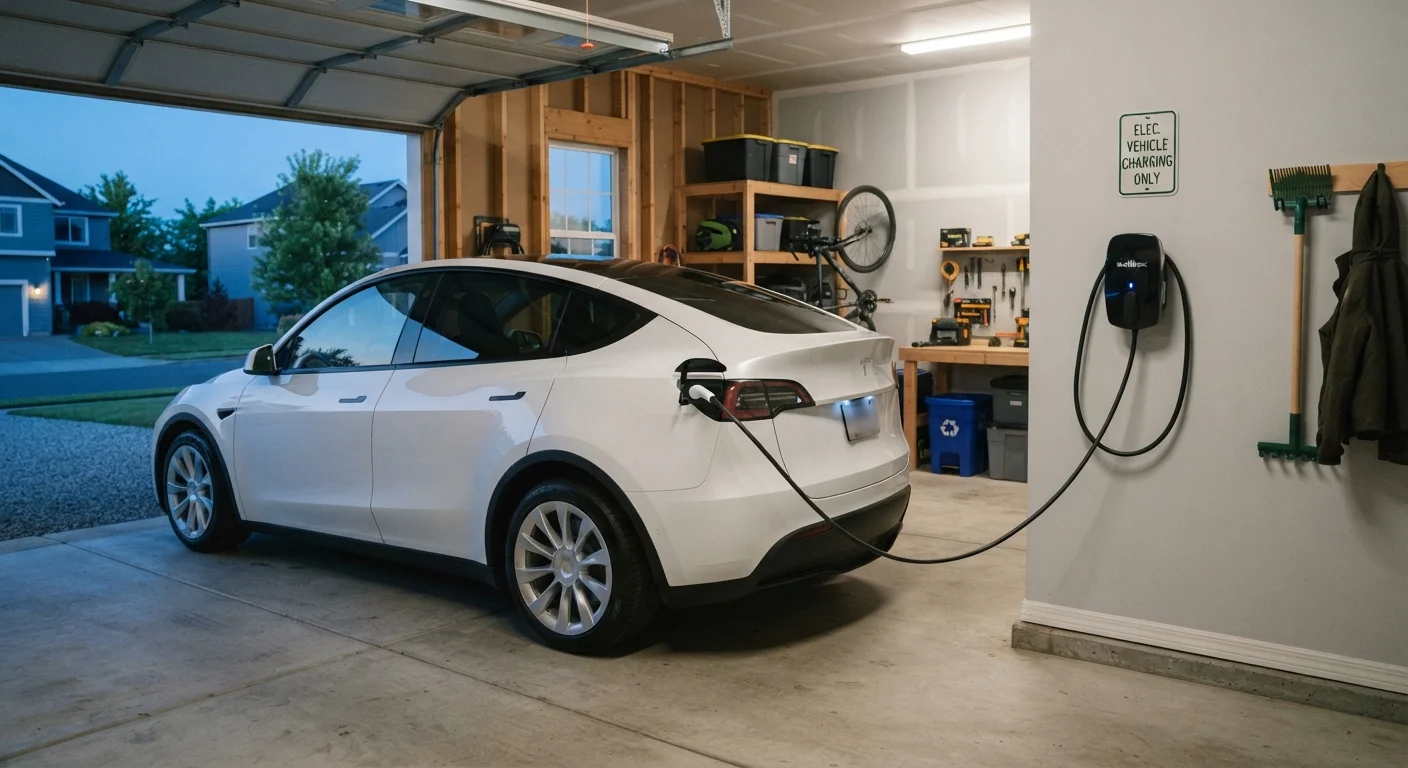
Confirm you have a dedicated parking space — garage, driveway, or reserved spot — where a charging cable can safely reach your vehicle. Must
Determine whether your electrical panel can support a 240-volt, 50-amp circuit needed for a Level 2 home charger, or get a licensed electrician to assess it. Must
Get at least one quote for Level 2 charger installation so you have a realistic cost figure before purchase. Should
Check whether your utility offers an EV time-of-use rate, which can lower overnight charging costs significantly. Nice to have

Daily Driving Patterns

Calculate your average daily miles driven — not your longest occasional trip, but a typical weekday and weekend average. Must
Compare that daily average against the EPA-rated range of EVs you are considering, keeping in mind real-world range is typically 10–15% lower than the rated figure. Must
Identify how frequently you make long-distance trips (over 150 miles one way) and map the public fast-charging stations along those routes using a tool such as PlugShare or the DOE's Alternative Fuels Station Locator. Should
Consider whether you have access to workplace charging as a supplemental option for mid-day top-ups. Nice to have

Climate and Environmental Factors

Research how winter temperatures in your region affect EV range — cold weather (below 20°F) can reduce usable range by 20–40% depending on the model and battery chemistry. Must
Verify that EVs you are evaluating have a battery thermal management system (liquid-cooled batteries handle temperature extremes better than passively cooled ones). Should
If you live in a very hot climate, check published data on battery degradation rates for specific models, as sustained high heat accelerates capacity loss over time. Should

Budget and Incentives

Check current federal tax credit eligibility rules — income caps, vehicle MSRP limits, and vehicle assembly requirements all affect whether you qualify. Must
Research state and local incentives, utility rebates, and any HOV-lane access benefits available in your area, as these vary widely by location. Should
Factor in the full installed cost of a home charger, not just the EV purchase price, when setting your budget. Must
If considering a used EV, verify the remaining battery warranty and check available battery health data or a third-party inspection. Should

Public Charging Infrastructure

Map the nearest DC fast-charging (Level 3) stations to your home and workplace to confirm adequate coverage for emergency top-ups. Must
Check the reliability ratings or user reviews for charging stations in your area — not all networks maintain consistent uptime. Should
Understand which charging networks the EVs you are evaluating support natively, and whether adapters are needed for cross-network access. Should

Lifestyle and Multi-Vehicle Considerations

Decide whether the EV will be your primary or secondary vehicle — households with a second gas or hybrid vehicle typically experience less range anxiety. Must
Assess any towing or hauling needs, since towing reduces EV range substantially — often by 40–50% — compared to non-towing use. Must
If you rent your home, contact your landlord or HOA in writing about charger installation rights, as some jurisdictions have tenant EV-charging access laws. Nice to have

What to Do With Your Results

If you checked every "must" item with confidence, you are likely a strong candidate for a smooth EV transition. A few unchecked "should" items — such as lacking a dedicated home charger or living in a colder region — do not disqualify you, but they do require a concrete plan before you commit.

Range Anxiety Is Real — But Manageable

Most new EV owners report that range anxiety fades quickly once they establish a home charging routine. However, failing to plan for the rare long-distance trip in advance is one of the most commonly cited frustrations. Before buying, drive or simulate at least one of your longer typical routes using a route-planning app that accounts for EV charging stops, to make sure the experience is acceptable to you.

On cost, remember that the sticker price is only part of the picture. Long-term economics, including depreciation curves, charging costs compared to gasoline, and maintenance patterns, play out over years. Our deep-dive into the true cost of owning an electric vehicle over time breaks that down in detail. Equally, knowing the checklist does not mean you will avoid every pitfall — common mistakes that catch new EV drivers off guard is a useful follow-on read once your decision is made.

For a broader orientation to everything involved before purchase, what first-time EV buyers should understand before switching covers range, charging habits, and ownership costs in one place. Work through this checklist honestly, fill in the gaps you identify, and you will be far better positioned to make a decision you are satisfied with for years to come.

Required

PlugShare

A crowd-sourced map of public EV charging stations across North America, useful for route planning and checking charger reliability ratings.

Required

DOE Alternative Fuels Station Locator

A government database for locating EV charging, hydrogen, and other alternative fuel stations by zip code or route.

Required

Licensed Electrician

Required to assess your home's electrical panel capacity and safely install a 240-volt Level 2 charging circuit.

Required

IRS Clean Vehicle Credit Tool (IRS.gov)

Official resource for verifying whether a specific vehicle and buyer meet current federal EV tax credit eligibility requirements.

Optional

State Energy Office or PUC Website

Primary source for researching state-level EV incentives, utility rebates, and HOV lane access programs in your area.

Share

Automotive Editorial Team · Contributor

Automotive Editorial Team is the collective byline for our editorial team and contributor network. Articles published under this byline or an editorial pen name are researched, written, and reviewed according to our editorial standards for clarity, consistency, and independence before publication.

The content on this site is for informational purposes only and is not a substitute for professional advice. Always consult a qualified professional for guidance specific to your situation.