

Our Verdict
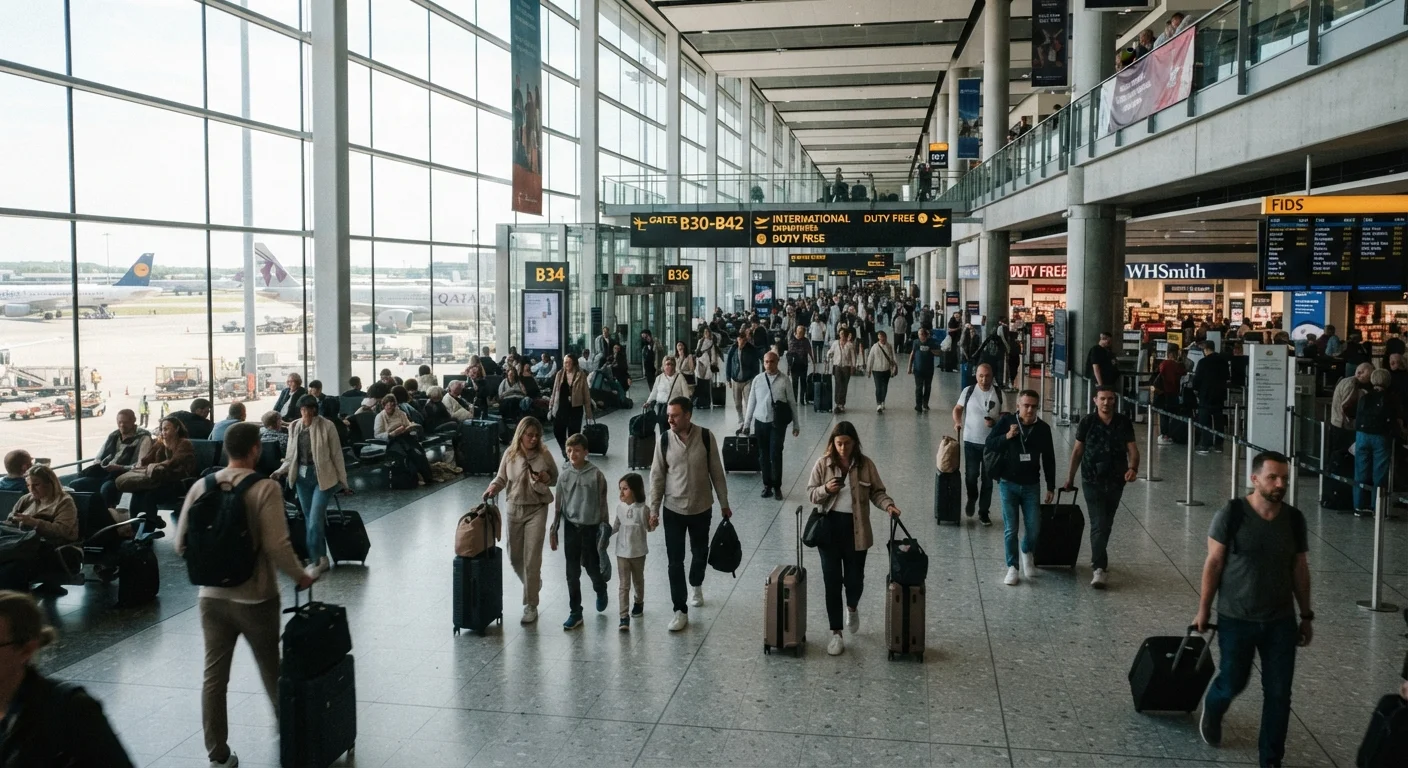
Traveling during peak season delivers real advantages — reliable weather, open attractions, and a shared energy that many travelers find rewarding. But those benefits come at a price, literally and experientially. Crowds, elevated costs, and strained infrastructure are consistent features of popular travel windows, not exceptions.
Peak-season travel suits travelers with firm date constraints, families tied to school calendars, or those visiting destinations where off-season closures would limit the experience significantly.
What 'Peak Season' Actually Means
Peak season refers to the period when a destination sees its highest volume of visitors, typically driven by a combination of favorable weather, school holiday schedules, and cultural events. For coastal Mediterranean destinations, that window often runs from June through August. For ski resorts, it shifts to December through February. Some destinations, like New York City during the December holidays or national parks over summer long weekends, experience multiple compressed peaks throughout the year.
Understanding when peak season falls — and why — is the foundation of any serious travel planning decision. The timing is rarely arbitrary; it reflects genuine demand driven by conditions that matter to most travelers. That context shapes every trade-off discussed below.
For a broader view of how travel patterns are shifting, the Travel Trends hub tracks emerging shifts in how and when people choose to move.
The Advantages of Traveling at Peak Times
Peak season exists for a reason: conditions are generally at their most favorable. Weather is typically more predictable, daylight hours are longer in summer destinations, and the full range of local attractions, tours, and restaurants tends to be operational.
Weather conditions are typically at their most reliable
Most peak seasons align with optimal climate windows — warm temperatures, lower rainfall, and longer daylight hours — which reduces weather-related disruptions to itineraries.
Full range of attractions and services are open
Restaurants, tours, museums, and seasonal attractions are far more likely to be operating at full capacity, giving travelers access to the complete destination experience.
Livelier atmosphere and cultural events
Festivals, markets, and local events often cluster around peak visitor periods, adding cultural depth that may not be available during quieter months.
Better transportation frequency and connections
Airlines and rail operators typically increase service frequency during high-demand periods, making it easier to reach destinations and move between them.
There is also a social dimension worth noting. Popular destinations during peak periods carry an energy that can enhance the experience — street markets are fully stocked, festivals run on schedule, and the infrastructure serving tourists is operating at capacity. For travelers who find quiet or partially shuttered destinations deflating, this matters.
Families with school-age children often have little choice but to travel during peak windows. In those cases, the real question isn't whether peak season is ideal in the abstract — it's how to navigate it well. Planning a multi-destination itinerary during a high-demand period requires particular attention to sequencing and lead time.
The Drawbacks You Should Account For
The downsides of peak-season travel are well-documented and largely predictable. Prices for flights, accommodations, and popular tours typically increase significantly during high-demand periods, and last-minute availability narrows fast.
Significantly higher costs for flights and accommodation
Prices for flights and hotels often spike substantially during peak periods. Travelers booking late can find their preferred options already sold out or priced well above baseline.
Larger crowds at major attractions
Iconic sites — from national parks to historic landmarks — can see visitor volumes that make it difficult to move freely or engage meaningfully with the destination.
Advance booking is essential, not optional
Popular accommodations, guided tours, and timed-entry attractions may require reservations months in advance, reducing flexibility for spontaneous travelers.
Strained local infrastructure
Transportation systems, restaurants, and public spaces can become congested during peak periods, leading to longer wait times and a less relaxed experience overall.
Environmental and community impact concerns
High-volume tourism concentrated in short windows can place pressure on fragile ecosystems and local communities, a documented issue at many popular destinations.
Beyond cost, the experience itself can be affected. Iconic sites can feel more like managed queues than meaningful visits when visitor volumes are at their highest. Overcrowded hotspots and overtourism pressures are documented concerns at some of the world's most visited destinations, affecting both traveler satisfaction and local communities.
It's also worth reading common overtourism myths before assuming crowds automatically diminish a destination's authenticity — the reality is more nuanced.
How to Make Peak Season Work for You
Accepting peak season as your travel window doesn't mean accepting every inconvenience that comes with it. Advance planning — booking accommodations and key activities months ahead rather than weeks — is the single most effective lever travelers have.
3–6 months
Recommended advance booking window for peak travel
Travel industry guidance generally recommends booking popular accommodations and attractions three to six months ahead for high-demand periods.
30–50%
Typical price premium during peak season
Hotel and flight pricing research consistently shows elevated rates during peak windows compared to shoulder-season equivalents at the same destinations.
Visiting popular sites early in the morning or later in the evening, when day-trippers have dispersed, is a consistently reliable strategy. Many travelers also find that choosing a base slightly outside the most congested tourist core — and commuting in — reduces both costs and daily friction.
Travel style also plays a role. Whether you're traveling independently or with a structured group affects how peak-season pressures land. Solo travel versus group tours have different logistical profiles during busy periods — group tours often pre-book access, while independent travelers carry more flexibility but more responsibility.
If peak season genuinely isn't working for your destination or budget, the trade-offs of off-season travel are worth weighing carefully before shifting your plans.
The content on this site is for informational purposes only and is not a substitute for professional advice. Always consult a qualified professional for guidance specific to your situation.