

Summary
18 items · 30–60 minutes
Why High-Altitude Travel Demands a Different Kind of Preparation
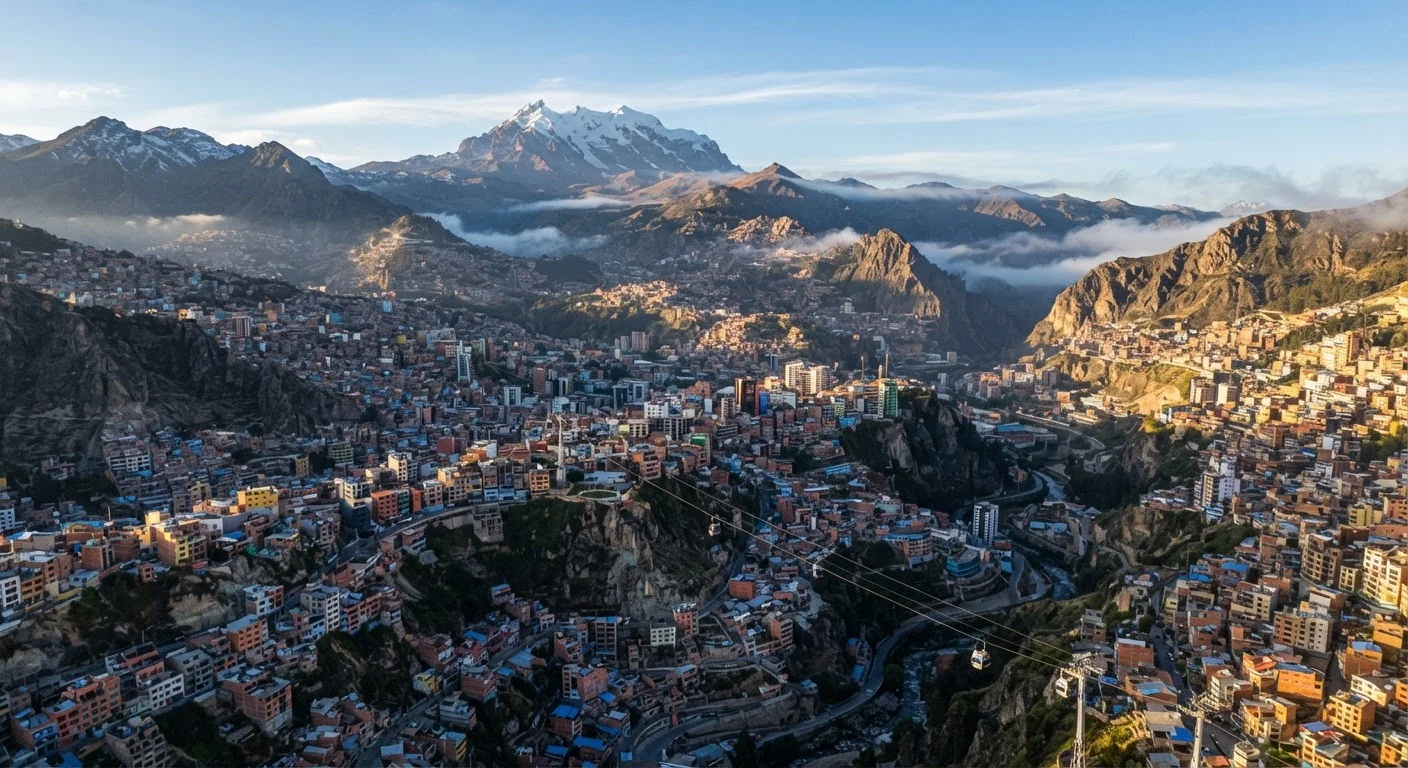
Destinations such as Cusco, Peru (11,150 ft / 3,400 m), La Paz, Bolivia (11,975 ft / 3,650 m), and Lhasa, Tibet (11,975 ft / 3,650 m) attract millions of travelers each year — but arriving unprepared at altitude is one of the most common and preventable ways a trip goes wrong. Acute mountain sickness (AMS) affects a significant portion of travelers who ascend quickly to elevations above 8,000 feet, regardless of age or physical condition.
Unlike many travel challenges, the risks here are physiological. At high elevation, atmospheric pressure drops and the amount of oxygen available per breath decreases. The body requires time to compensate. Skipping that adjustment window — often because travelers want to hit the ground running — is what leads to headaches, nausea, fatigue, and in serious cases, life-threatening conditions such as high-altitude pulmonary edema (HAPE) or high-altitude cerebral edema (HACE).
This checklist is designed to help travelers work through the key preparation steps before departure. It covers health consultations, logistics, gear, and itinerary structure. For broader destination planning context, see planning around peak travel seasons, which touches on how crowd levels and seasonal timing affect high-demand mountain destinations. Travelers heading to remote high-altitude regions like Patagonia may also find relevant context in what travelers actually encounter at the end of the world.
Altitude Sickness Can Be Life-Threatening
High-altitude pulmonary edema (HAPE) and high-altitude cerebral edema (HACE) are rare but serious conditions that can develop rapidly and become fatal without prompt medical intervention. If you or a travel companion experience confusion, severe shortness of breath at rest, or inability to walk a straight line, descend immediately and seek emergency care. Do not wait to see if symptoms improve on their own.
Tools and Resources You'll Want Before You Start
Before working through the checklist, gather the following. Having these in place will make each step faster and more useful.
Travel medicine clinic or physician
To assess your personal health risks at altitude and discuss any preventive medications before departure.
Official government travel advisory portal
To check current entry requirements, health advisories, and safety alerts for your destination country.
Travel insurance policy documents
To confirm your coverage includes emergency evacuation and high-altitude medical events.
Pulse oximeter
To track blood oxygen saturation during your stay as an early indicator of how well your body is adjusting.
Topographic map or elevation data tool
To review the elevation profiles of planned hikes and activity routes, not just your accommodation.
Your High-Altitude Pre-Departure Checklist
Work through each group in order. Health and logistics items should be completed well before your departure date — ideally four to six weeks out. Gear and itinerary items can be addressed in the final two weeks.
Medical and Health Preparation
Itinerary and Acclimatisation Planning
Travel Insurance and Logistics
Gear and Daily Habits
For practical habits to build before and during your journey, the long-haul flight comfort guide covers in-cabin strategies that can help you arrive less fatigued — an important factor when your body will already be working hard to adjust to altitude.
Do Not Rely Solely on Medication
Medications discussed with a physician may reduce the severity or likelihood of altitude sickness symptoms, but they are not a substitute for proper acclimatisation. Travelers who use medication to push through early warning signs risk masking symptoms that would otherwise signal the need to stop, rest, or descend. Always follow your doctor's guidance and listen to your body.
Travelers should also be cautious of over-relying on prior visits to high-altitude destinations. Conditions, routes, and personal health can all change. Review common traveler misjudgements for a broader look at how false confidence shapes poor decisions on the road. More practical travel planning guidance is available across the Travel Tips section.
This article is for general informational purposes only and does not constitute medical advice. Consult a qualified healthcare professional before traveling to high-altitude destinations, particularly if you have any existing medical conditions.
The content on this site is for informational purposes only and is not a substitute for professional advice. Always consult a qualified professional for guidance specific to your situation.