

What Mindfulness Actually Means
Strip away the wellness marketing, and mindfulness is a surprisingly simple idea: intentionally paying attention to what's happening in the present moment, without immediately labeling it as good or bad. That's it. You're not trying to achieve a blank mind, manufacture positive feelings, or enter a trance state.
The concept entered mainstream American culture through clinical medicine in the late 1970s, when researcher Jon Kabat-Zinn adapted contemplative techniques into a structured eight-week program for hospital patients dealing with chronic pain and stress. Since then, the term has broadened — sometimes beyond recognition. Today it gets applied to everything from breathing exercises to coloring books, which is part of why so many people aren't sure what it actually involves.
At its core, mindfulness is a mental habit: redirecting your attention away from rumination about the past or worry about the future, and back to what's directly in front of you. For a side-by-side breakdown of mindfulness and meditation, it helps to know they're related but not identical — meditation is one formal method for practicing mindfulness, but you don't need to sit on a cushion to apply the skill.
What You're Actually Doing When You Practice It
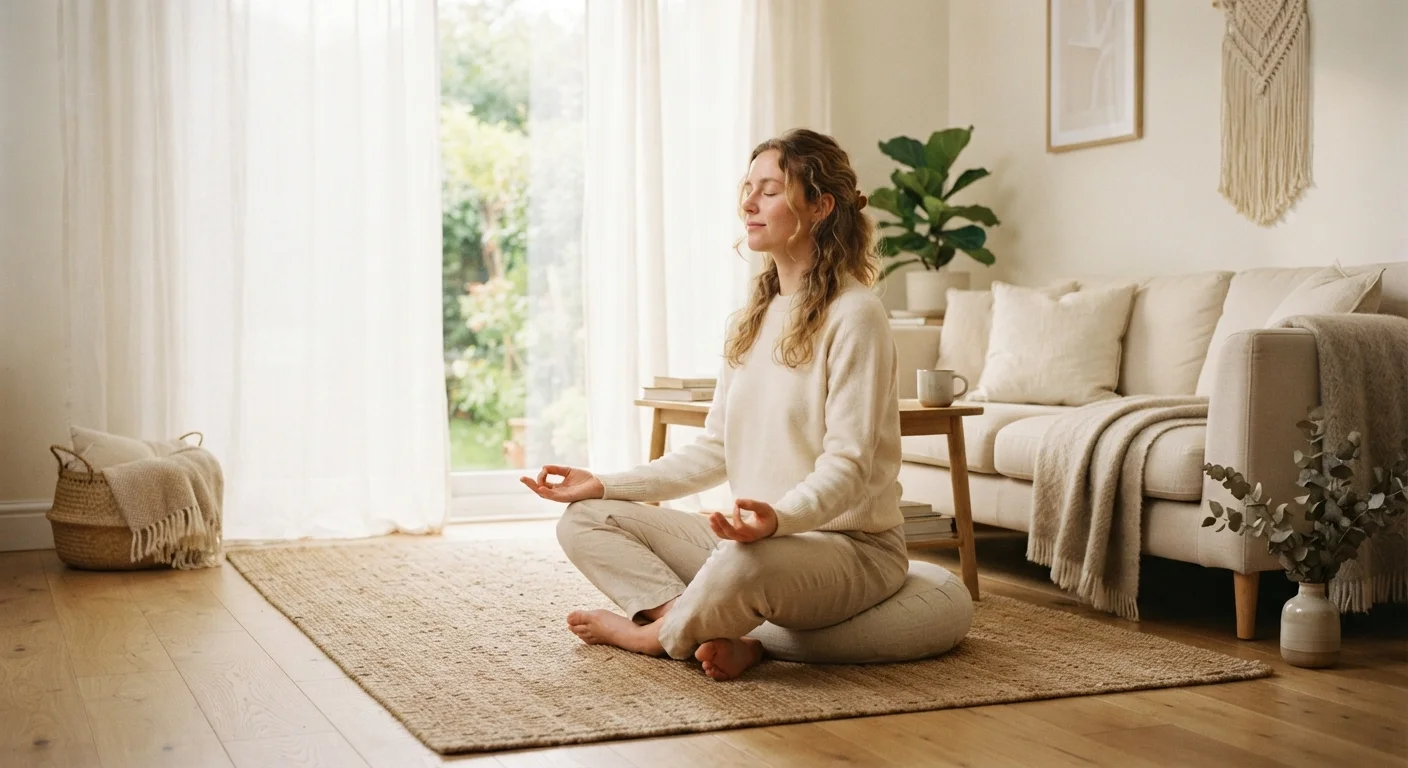
A typical mindfulness exercise might look like this: you sit quietly, focus your attention on the physical sensation of breathing — the rise and fall of your chest, the air moving through your nostrils — and when your mind wanders (and it will), you gently bring attention back. No frustration required. The noticing and returning is the practice.
Informal mindfulness works the same way applied to daily life. Eating a meal while actually tasting it rather than scrolling a phone. Noticing the physical tension in your shoulders during a stressful meeting rather than pushing through on autopilot. These micro-moments of deliberate awareness are legitimate practice.
Start Smaller Than You Think You Need To
Most people overestimate how much time mindfulness requires. Even two minutes of focused attention on your breathing counts as practice. Building a consistent short habit is generally more effective than occasional longer sessions, especially when you're starting out.
If formal seated practice feels daunting, starting with a daily meditation habit offers a grounded entry point. Even two to five minutes of intentional attention daily can begin building the skill over time.
What the Evidence Actually Says
47
Clinical trials reviewed in key 2014 mindfulness meta-analysis
A 2014 review in JAMA Internal Medicine analyzed 47 randomized trials and found moderate evidence supporting mindfulness for anxiety, depression, and pain reduction.
~$1.2B
U.S. mindfulness market annual revenue estimate
Market research firms have estimated the U.S. mindfulness industry — encompassing apps, courses, and corporate programs — at over a billion dollars annually, reflecting mainstream adoption.
14%
U.S. adults who meditated in the past year
According to the CDC's National Health Interview Survey, approximately 14% of American adults reported practicing meditation in a 12-month period as of recent survey data.
Mindfulness has accumulated a meaningful research base, but it pays to read the fine print. A widely cited 2014 review published in JAMA Internal Medicine examined 47 trials and found moderate evidence that mindfulness meditation programs reduced anxiety, depression, and pain — while also noting the evidence was not strong enough to conclude that mindfulness programs outperform other active treatments.
That's a useful framing: mindfulness appears genuinely helpful for many people, particularly for stress and anxiety, but it isn't a cure-all and it doesn't replace professional care when professional care is needed. For a broader look at mental wellness concepts and terminology, the plain-English mental health glossary provides grounded definitions without the jargon overload.
Mindfulness-Based Cognitive Therapy (MBCT) has enough supporting evidence that the UK's National Health Service recommends it as a treatment for preventing depression relapse in people who have experienced three or more episodes — though this is typically delivered by trained therapists, not apps.
This article is for general informational purposes only and is not medical or mental health advice. If you are experiencing significant psychological distress, please consult a qualified mental health professional.
Limits, Caveats, and When to Ask a Professional
Mindfulness is not universally beneficial for everyone in every context. Some research — including a 2019 study in Perspectives on Psychological Science — has documented that intensive practice can occasionally amplify difficult emotions or surface distressing memories, particularly for people with unresolved trauma. This doesn't mean most people should avoid it, but it does mean approaching it thoughtfully rather than assuming it's risk-free.
It's also worth scrutinizing how you encounter mindfulness programs. Before committing to a structured course or app, evaluating any new wellness trend using a clear framework — checking evidence quality, instructor credentials, and your own goals — is a sound habit. Mindfulness-adjacent breathing practices are a related area worth understanding; see how breathwork interacts with the nervous system for a physiological breakdown.
The bottom line: mindfulness is a learnable mental skill with credible research behind it, meaningful limits, and no requirement for spiritual belief or expensive equipment. Understanding what it actually is — rather than what marketing says it is — puts you in a much better position to decide whether it's worth trying.
Frequently Asked Questions
No. While meditation is one way to practice mindfulness, the skill can be applied during ordinary activities like eating, walking, or washing dishes. The key is intentionally directing your attention to the present moment rather than letting your mind wander on autopilot.
Not exactly. Relaxation may follow from mindfulness practice, but the goal isn't to feel calm — it's to observe your experience without reacting automatically. Sometimes noticing your thoughts clearly can feel uncomfortable before it feels helpful.
There is a growing body of research — including clinical trials — suggesting mindfulness-based interventions can modestly reduce symptoms of stress, anxiety, and depression. However, researchers note that study quality varies and mindfulness is not a replacement for professional mental health treatment.
For most people, basic mindfulness practice is low-risk. However, some individuals — particularly those with trauma histories — may find sustained introspection distressing. If you notice significant discomfort, it's worth discussing with a mental health professional before continuing.
There is no guaranteed timeline. Some people notice shifts in attention and reactivity within a few weeks of consistent practice; others take longer. Outcomes vary widely between individuals, and mindfulness is generally considered a long-term skill rather than a quick fix.
No. Although mindfulness has roots in Buddhist contemplative traditions, the secular versions widely practiced in Western healthcare and workplaces require no religious or spiritual commitment. The techniques can be engaged with purely as a mental training exercise.
The content on this site is for informational purposes only and is not a substitute for professional advice. Always consult a qualified professional for guidance specific to your situation.