
What Sparked the Deinfluencing Wave
Social media has long functioned as a giant, always-on shopping channel. Influencers built careers — and entire economies — around showcasing products, earning commissions per click, and turning everyday items into must-haves overnight. Then, somewhere in the scroll, audiences started asking: Do I actually need any of this?
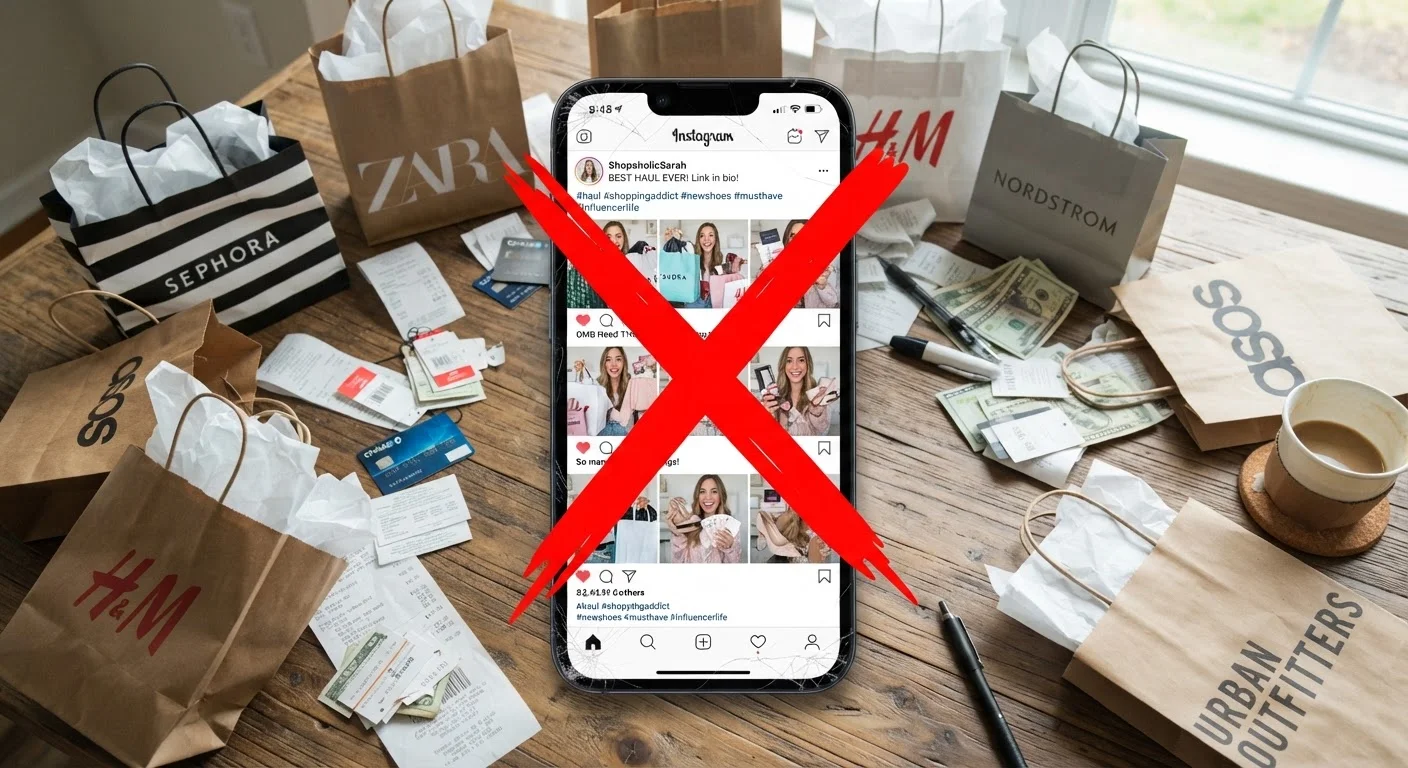
Deinfluencing emerged as a direct answer. On TikTok especially, creators began posting videos that explicitly walked back viral product recommendations — telling viewers a $40 serum wasn't worth it, or that a beloved kitchen gadget collected dust after a week. The hashtag #deinfluencing accumulated hundreds of millions of views, signaling that the appetite for honest, restraint-forward content was real and growing.
The timing wasn't accidental. Post-pandemic economic pressure, rising inflation, and a sharpened awareness of how algorithms manufacture desire all converged to make audiences more receptive to the message. As some viral trends genuinely reshape behavior, deinfluencing has shown staying power beyond a fleeting meme cycle.
171B+
Views on #deinfluencing across TikTok
The hashtag accumulated over 171 billion views on TikTok as of early 2023, reflecting rapid mainstream adoption of the counter-consumerist conversation.
62%
Gen Z skeptical of influencer recommendations
According to a 2023 Morning Consult survey, roughly 62% of Gen Z respondents said they are skeptical about whether influencers genuinely believe in the products they promote.
3 in 5
Americans say they've bought something regretted after seeing it online
A 2022 Bankrate survey found that three in five Americans reported making a purchase they later regretted after seeing it promoted on social media.
What It Reveals About American Consumer Culture
Deinfluencing isn't just about individual products — it's a mirror held up to the entire system of aspirational consumption that social media built. Traditional influencer culture sold a lifestyle: if you own the right things, you live the right life. Deinfluencing challenges that equation at its root.
The movement intersects with several overlapping cultural conversations. The rise of thrifting and resale reflects similar instincts — as explored in our look at the thrift and resale shift in American fashion. There's also a connection to aesthetic movements like quiet luxury, which prizes understated, durable choices over trend-chasing maximalism.
What makes deinfluencing culturally significant is the values it surfaces: skepticism of paid promotion, concern for environmental impact, and a growing desire to decouple personal identity from product ownership. It's part of the same current that's challenging hustle culture's promises and redefining what success looks and feels like for many Americans.
Deinfluencing and the Resale Connection
Many deinfluencers actively point audiences toward secondhand platforms as an alternative to buying new. This has contributed to growing crossover between counter-consumption content and the thrift-and-resale community online. The overlap suggests that deinfluencing isn't purely a 'buy less' message — it's also quietly redirecting where people shop.
The Limits and Contradictions of the Trend
Deinfluencing isn't without its complications. Critics point out that many deinfluencers still recommend products — they've simply repositioned themselves as more trustworthy curators rather than opting out of promotion entirely. In some cases, 'deinfluencing' content still drives significant purchases; telling an audience not to buy one product while endorsing three others is, arguably, still influencing.
There's also the question of platform incentives. TikTok, Instagram, and YouTube are structurally built to reward engagement, and deinfluencing content performs well precisely because it feels refreshingly authentic. That authenticity can itself become a brand — and a monetizable one — which circles back to the same affiliate-marketing dynamics the movement critiques.
Still, even imperfect cultural shifts carry meaning. The fact that audiences reward honesty and restraint — even in commodified form — signals a genuine evolution in how Americans think about consumption, identity, and the role of social media in shaping both. For readers curious about how digital culture shapes self-perception more broadly, the 'main character' phenomenon offers a related lens worth exploring.
Whether deinfluencing ultimately shifts spending habits or simply adds a new flavor to the same consumer ecosystem, its rise tells us something important: Americans are increasingly aware that their desires are being designed for them — and more of them are deciding they'd rather opt out.
Frequently Asked Questions
Deinfluencing refers to content creators encouraging followers not to buy certain products, particularly hyped or viral ones. Rather than promote purchasing, these creators share honest assessments about what's overhyped or unnecessary. It's a pushback against the relentless 'haul culture' common in influencer marketing.
The term gained widespread visibility on TikTok, where creators began tagging videos with #deinfluencing to signal critical or counter-consumerist takes on popular products. It picked up steam in early 2023 and spread across other platforms. Its roots tie to longer-standing conversations about sustainability and overconsumption.
Not exactly. While both question excessive buying, deinfluencing is specifically a social media phenomenon that still operates within digital creator culture. Many deinfluencers do recommend some products — just fewer and more intentionally. Full anti-consumerism is a broader philosophical stance that goes further.
Research on the topic is still emerging, but surveys suggest that younger consumers are increasingly skeptical of influencer recommendations. Deinfluencing may reinforce existing tendencies toward thrifting, minimalism, and secondhand shopping rather than converting traditional shoppers wholesale.
Many already are. Some brands lean into transparency — focusing on fewer, higher-quality products and encouraging 'mindful buying.' Influencers are increasingly disclosing paid partnerships more prominently and curating tighter recommendation lists to maintain credibility with skeptical audiences.
The two are closely linked. Many deinfluencers cite environmental impact as a core reason to avoid fast fashion or single-use trend items. The movement overlaps significantly with slow fashion, thrifting, and capsule wardrobe conversations about reducing textile waste.
The content on this site is for informational purposes only and is not a substitute for professional advice. Always consult a qualified professional for guidance specific to your situation.