

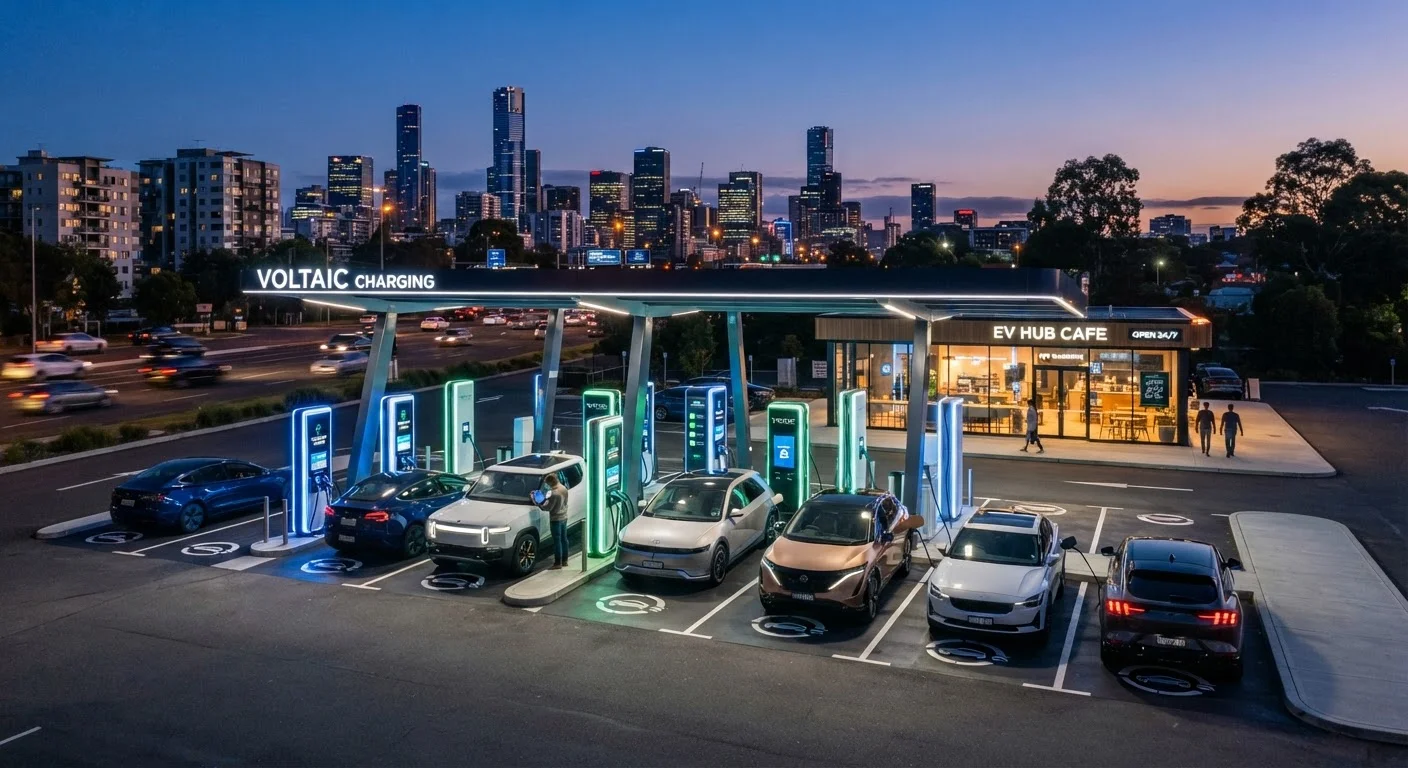
A Global Network Still Taking Shape
The global electric vehicle charging network has grown substantially over the past decade, yet it remains unevenly distributed — concentrated in a handful of high-income countries while large portions of the world have sparse or no public infrastructure at all. Understanding where things stand today helps put the EV transition in realistic perspective.
As of the early 2020s, China accounted for more than half of all public EV chargers worldwide, followed by Europe and the United States. The International Energy Agency (IEA) has tracked steady annual growth in charging point installations, but analysts consistently note that deployment needs to accelerate sharply to match projected EV fleet growth through 2030 and beyond. For a deeper look at how adoption rates compare across countries, see EV Adoption by Country.
Regional Approaches: How Different Markets Are Building Out
China has taken a state-directed approach, with central and local government subsidies driving rapid installation of both AC slow chargers and DC fast chargers along major highways and in urban areas. The density of charging points in cities like Shenzhen and Shanghai is among the highest in the world.
Europe has pursued a regulatory model, with the EU's Alternative Fuels Infrastructure Regulation (AFIR) requiring member states to install fast chargers at defined intervals along major road corridors. Nordic countries — particularly Norway — have combined high EV ownership rates with a comparatively mature charging network. Coverage in Eastern Europe lags considerably behind Western counterparts.
The United States relies on a hybrid of federal incentives, state programs, and private investment. The National Electric Vehicle Infrastructure (NEVI) program, established through federal legislation, allocates funding to build out charging along designated highway corridors. Progress has been uneven across states, with rural and lower-income communities often underserved. For a breakdown of the broader policy and market forces at work, see The Forces Driving — and Slowing — Global EV Market Growth.
Emerging markets including India, Southeast Asia, and parts of Latin America are at earlier stages. India has ambitious EV targets but faces significant infrastructure gaps, particularly outside major metropolitan areas. Grid reliability and energy access remain foundational challenges in several developing regions.
Level 2 charger
A 240-volt AC charging unit commonly installed in homes and public settings. It charges significantly faster than a standard household outlet but slower than a DC fast charger, typically requiring several hours for a full charge.
DC fast charger (DCFC)
A high-powered charger that delivers direct current directly to the vehicle's battery, bypassing the onboard converter. It can add substantial range in 20–40 minutes, making it the preferred option for highway travel.
AFIR
The EU's Alternative Fuels Infrastructure Regulation, which mandates minimum charging capacity at defined intervals along major European road corridors, with binding targets for member states.
NEVI
The U.S. National Electric Vehicle Infrastructure program, a federally funded initiative allocating $5 billion to build out public EV charging along designated highway corridors across all 50 states.
Charging interoperability
The ability for EV drivers to use charging networks from different operators seamlessly, without separate accounts or payment systems for each. Interoperability standards vary significantly by region.
Key Gaps and Ongoing Challenges
Even in leading markets, several structural challenges persist. Charging speed disparities matter: most public chargers are still Level 2 AC units, which can take several hours to meaningfully recharge a depleted battery pack. DC fast chargers — capable of delivering meaningful range in 20–40 minutes — remain less prevalent and more expensive to install and operate.
Reliability is another documented concern. Studies and user reports from the U.S. and Europe have flagged issues with out-of-service stations, software faults, and payment failures, particularly at older or less-maintained sites. Reliability improvements are an active focus for network operators and regulators alike.
Rural and highway coverage continues to lag urban density. Long-distance EV travel in many countries still requires careful route planning around available fast chargers. This shapes how prospective buyers think about switching, which is why practical preparation matters — the Practical Decision Checklist is a useful starting point for anyone weighing a transition.
For EV owners navigating the choice between home and public charging day to day, the practical tradeoffs are explored in detail in Home Charging vs. Public Charging.
The content on this site is for informational purposes only and is not a substitute for professional advice. Always consult a qualified professional for guidance specific to your situation.