

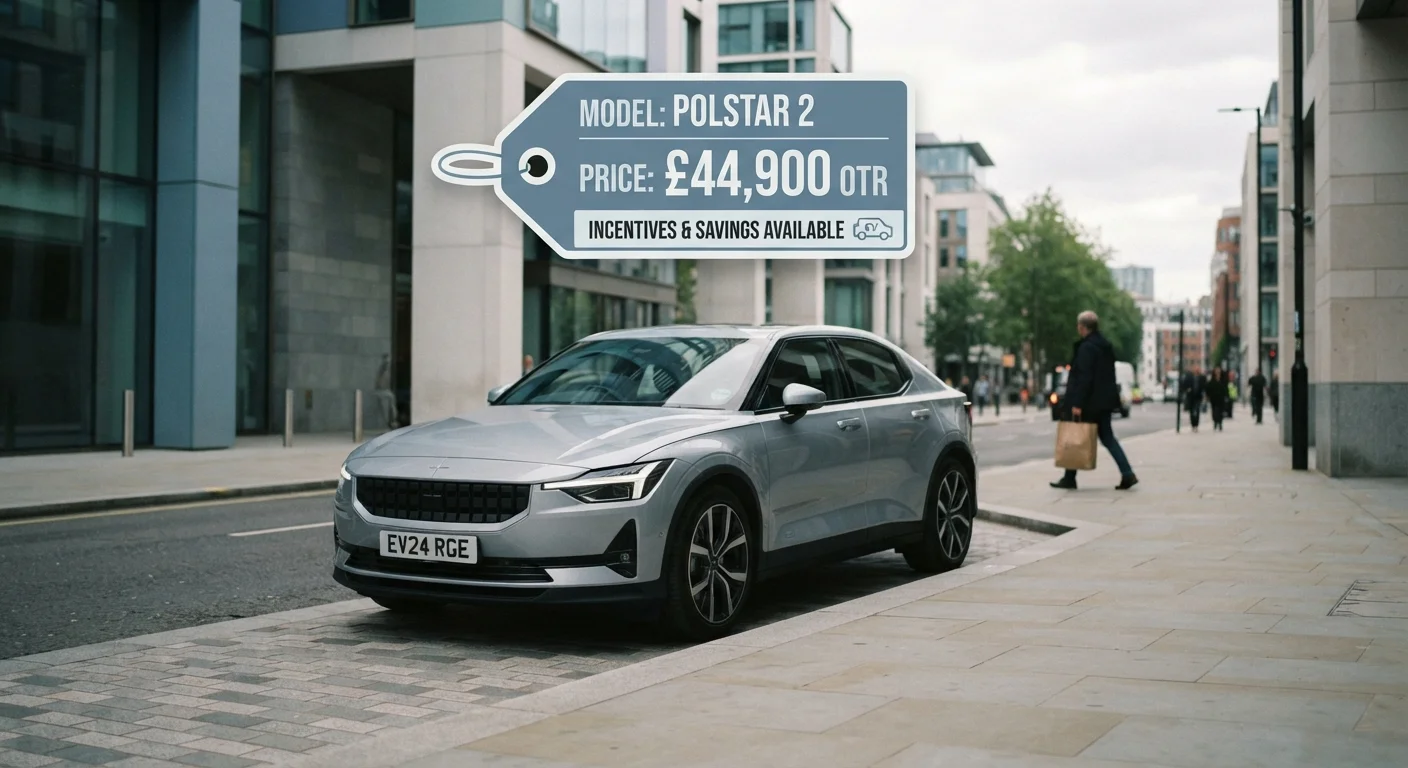
Why EV Depreciation Doesn't Follow the Same Rules
When a petrol car loses value, the primary drivers are mileage, mechanical condition, and age. For an electric vehicle, those factors still matter — but they're joined by a set of variables that simply don't exist in the combustion world. Understanding those differences is essential for anyone buying, selling, or simply owning an EV.
The most fundamental difference is the battery pack. Unlike an engine, which can often run reliably for 200,000 miles with routine maintenance, an EV battery degrades chemically over time and charge cycles. That degradation directly reduces the vehicle's usable range — and range anxiety remains one of the most cited concerns among prospective used-EV buyers. For a deeper look at how these battery systems actually work, see how EVs work and why they're different.
The second major difference is the pace of technological change. EVs are, in many respects, software-driven devices on wheels. A model released two years ago may lack features — faster charging speeds, improved energy management, expanded driver-assistance capabilities — that are now standard. This creates a dynamic more familiar from consumer electronics than from traditional automobiles, where a three-year-old car rarely feels significantly outdated.
~50%
Average EV value loss in first three years
Industry analyses from automotive data firms have estimated that some EV segments lose roughly half their value within three years, though this varies considerably by brand and model.
2–3%
Typical annual battery capacity loss
Studies of real-world battery degradation data suggest most modern lithium-ion EV packs lose approximately 2–3% of original capacity per year under typical driving and charging conditions.
$7,500
US federal EV tax credit ceiling (new vehicles)
The Inflation Reduction Act established a credit of up to $7,500 for eligible new EVs, directly affecting the price gap between new and used models.
The Battery Health Factor
Battery state-of-health (SoH) is the metric that matters most to used-EV valuations. It describes how much of the original battery capacity remains after a period of use. Industry data generally suggests that modern lithium-ion battery packs lose somewhere between 2–3% of capacity per year under typical conditions, though real-world outcomes vary based on climate, charging habits, and battery chemistry.
For buyers, a battery showing 80% SoH on a vehicle originally rated at 300 miles of range means effective range has dropped to around 240 miles — a meaningful reduction that commands a price discount. Some automakers now provide battery health certificates or require third-party assessments before certified pre-owned sales, which helps establish pricing confidence.
Charging behavior also matters. Frequent use of DC fast charging — the kind done at highway charging stations — accelerates battery wear more than slower Level 2 home charging. A used EV that was primarily charged at home overnight will typically show healthier battery metrics than one used heavily on road trips with repeated rapid charging sessions.
Ask for a Battery Health Report Before Buying
When evaluating any used EV, request a battery state-of-health report — many manufacturers make this available through dealer diagnostics or in-vehicle menus. A figure above 80% is generally considered healthy, though the threshold for acceptable range will depend on your driving needs. Transferable battery warranties add meaningful protection and should be confirmed before purchase.
How Incentives and Market Dynamics Shape Prices
Government policy has an outsized influence on EV resale values — more so than in the petrol market. When federal or state tax credits make new EVs meaningfully cheaper for first buyers, used EVs must compete against subsidized new prices. The result is steeper depreciation for the used market, particularly in the first two to three years of a vehicle's life.
Policy shifts can move markets quickly. An expansion of new-vehicle incentives, or the introduction of used-vehicle credits, can alter demand within weeks. This makes EV resale values more sensitive to political and regulatory developments than conventional vehicle prices typically are.
The broader used-EV market is also still maturing. As more EVs come off lease cycles and enter the secondary market, pricing is becoming more transparent and data-driven — but volatility remains higher than in the established used-car market. The total cost of EV ownership over time puts depreciation in the context of charging costs, maintenance savings, and other long-term financial factors worth weighing together.
Software, Connectivity, and the Intangibles
One area where EVs can genuinely outperform petrol cars on value retention is software support. Manufacturers that deliver regular over-the-air updates — expanding features, improving range efficiency, or adding safety functions — help older vehicles stay relevant. An EV with an active software development pipeline is more likely to hold its value than one that has been effectively discontinued from a software standpoint.
Connectivity and ecosystem integration also matter to buyers. Vehicles tied to robust charging networks, with well-supported apps and remote-management features, are more attractive on the used market. Conversely, models from manufacturers who have exited the market or wound down support infrastructure carry added uncertainty that buyers price in as a discount.
For readers navigating EV terminology around these concepts, a practical EV terminology reference covers everything from battery capacity metrics to software and charging standards. Understanding the language helps buyers ask the right questions when evaluating a used vehicle.
“The used EV market is still finding its footing. Buyers and sellers are learning to price battery health and software relevance the way they once priced mileage and mechanical condition — it's a new literacy for the whole industry.”
— Industry analyst commentary, Automotive market research, paraphrased from sector commentary on EV resale trends
Frequently Asked Questions
Generally, yes — especially in the first two to three years. A combination of battery degradation concerns, rapid model improvements, and large federal incentives on new EVs tends to pull used prices down faster. However, depreciation rates vary widely by brand and model.
It's the single biggest variable unique to EVs. A battery that has lost 20–25% of its original capacity will significantly reduce range, and buyers discount accordingly. Some manufacturers offer battery health certificates at point of sale to address this concern.
When substantial tax credits are available on new EVs, they effectively reduce the new-car price, which puts downward pressure on used EV values. Changes in incentive policy — expansions or expirations — can shift the used market noticeably within weeks.
They can. Over-the-air updates that add features, improve efficiency, or expand charging capability help keep older models competitive with newer ones. An EV that receives regular meaningful updates is likely to depreciate more slowly than one that doesn't.
Battery state-of-health is the top priority — many brands display this in the vehicle settings or via a dealer report. Also check whether the battery warranty is still transferable, what software version the vehicle runs, and what charging speeds it supports.
No. Brands with strong ecosystems, frequent software support, robust battery warranties, and high consumer demand tend to retain value better. Market position, charging network access, and brand reputation all play meaningful roles.
The content on this site is for informational purposes only and is not a substitute for professional advice. Always consult a qualified professional for guidance specific to your situation.