

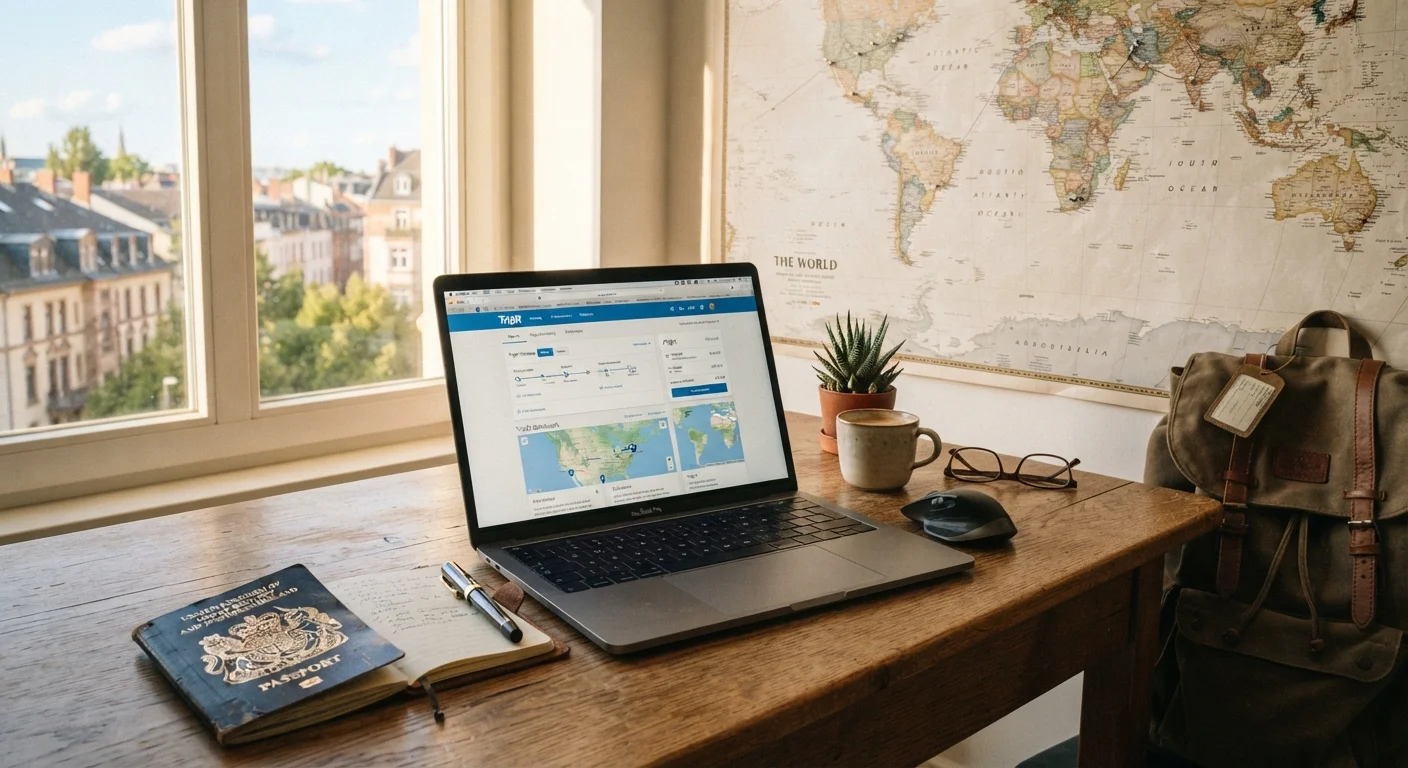
What a Digital Nomad Visa Is — and What It Is Not
A digital nomad visa is a government-issued permit that allows qualifying remote workers to reside legally in a host country for a defined period, typically between six months and two years. Unlike a standard tourist visa — which prohibits income-generating activity — a digital nomad visa authorises the holder to work remotely for foreign employers or clients while living in the destination country.
These programmes emerged in response to the global expansion of remote work, particularly after 2020. Countries that introduced them are primarily seeking to attract higher-income residents who spend locally without displacing jobs in the host labour market. The visa does not usually authorise a holder to take up local employment with domestic companies.
For context on how this differs from a standard entry permit, see our reference on what visa-on-arrival actually means. Readers planning extended work-travel arrangements may also find our comparison of workations versus remote years useful context.
| Programmes active globally | More than 50 countries (Various government immigration agencies, as of 2024) |
| Typical validity period | 6 months to 2 years (Varies by country programme) |
| Common income requirement range | $1,500–$3,500 per month (Approximate figures; individual programmes differ) |
| Permit category | Distinct from tourist or work visa |
| Tax implications | Vary by host country and home country (Consult a qualified tax professional) |
Common Programme Structures and Eligibility Requirements
While every programme differs, most digital nomad visas share a recognisable framework built around four core requirements:
- Proof of remote employment or self-employment: Applicants must demonstrate they work for a company or clients based outside the host country, typically via an employment contract, business registration, or client invoices.
- Minimum income threshold: Governments set a monthly or annual earnings floor — figures that, according to publicly available programme details, generally range from approximately $1,500 to $3,500 per month, though some programmes sit above or below that range.
- Health insurance coverage: Most programmes require evidence of valid international health insurance for the full visa period.
- Clean criminal record: A background check or police clearance certificate is standard across the majority of programmes.
Application processes vary. Some countries accept applications entirely online; others require an appointment at a consulate or in-country immigration office. Processing timelines range from a matter of days to several months depending on the destination.
Verify Conditions with Official Sources
Visa rules, income thresholds, and eligibility requirements change frequently. The information in this guide is general and educational. Always verify current requirements directly with the host country's official immigration authority and consult a licensed immigration or tax professional before applying.
Tax, Legal, and Practical Considerations
Holding a digital nomad visa introduces financial and legal variables that travellers should understand before applying. Tax residency is one of the most significant. Residing in a country for an extended period can, in some jurisdictions, create a tax obligation — even if the individual continues paying taxes in their home country. Rules differ substantially between countries and depend on bilateral tax treaties. This is an area where consulting a qualified tax professional is essential, not optional.
Other practical factors include banking access, local SIM card and internet infrastructure, and the visa's renewability. Some programmes allow holders to renew for additional terms without leaving the country; others require departure and reapplication. Expiry without renewal or extension may result in overstay penalties.
For those managing finances across borders, our overview of currency exchange while travelling covers how cross-border transactions and fees work. Separately, anyone working with sensitive documents or using public networks abroad may benefit from reviewing basic online privacy practices.
Regional Snapshot: Where Programmes Exist
Digital nomad visa programmes are now active across multiple regions, though the structure, cost, and accessibility vary widely.
- Caribbean and Latin America
- Several Caribbean nations — including Barbados, Costa Rica, and others — established programmes relatively early. Monthly income requirements and application fees differ by country. Costa Rica's programme, for example, is structured around a defined income threshold and a multi-month validity period.
- Europe
- Countries including Portugal, Spain, Estonia, and Greece have launched programmes aimed at longer-term remote workers. European Union membership does not create a uniform digital nomad visa — each member state operates its own scheme independently.
- Southeast Asia and the Pacific
- Indonesia's Bali region prompted significant interest through a dedicated visa pathway. Other destinations across the region have explored or launched similar frameworks, though the specifics change as programmes evolve.
- Middle East and Africa
- The United Arab Emirates and several others have launched long-stay remote work permits. Eligibility conditions in this region often include higher income thresholds.
Travellers researching specific destinations can explore our destinations hub for broader country context, or consult our travel tips section for planning guidance. Before any international trip, reviewing relevant government travel advisories is advisable — our guide on reading a travel advisory explains what each warning level means.
This article is for general informational purposes only and does not constitute legal, immigration, or tax advice. Requirements and programme details change frequently. Always verify current conditions with official government sources and consult qualified professionals before making immigration or financial decisions.
The content on this site is for informational purposes only and is not a substitute for professional advice. Always consult a qualified professional for guidance specific to your situation.