

What Visa on Arrival Actually Means
The phrase "visa on arrival" is one of the most commonly misunderstood terms in international travel. It sounds like a green light — show up, get stamped, walk through. In reality, it describes a specific immigration category with its own rules, fees, and eligibility conditions.
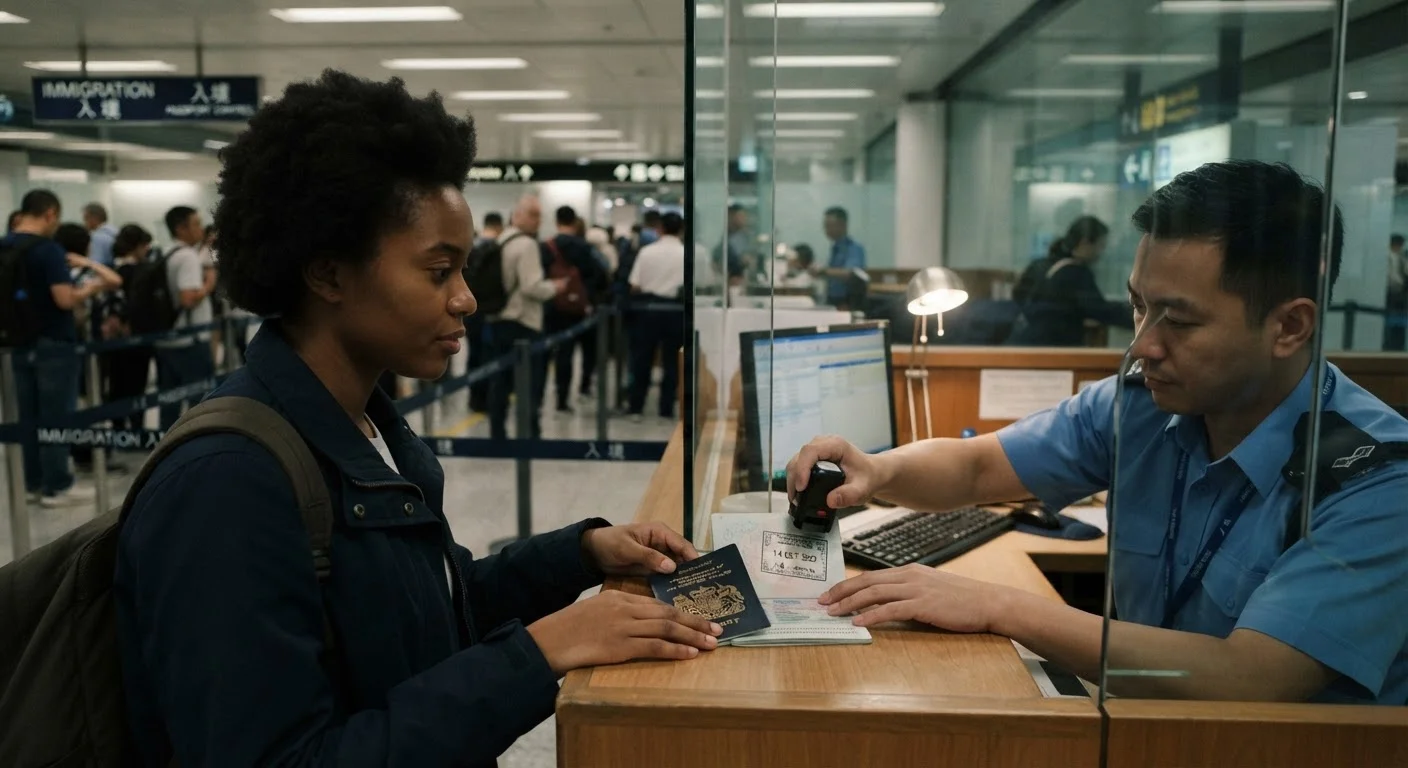
A visa on arrival means a country will issue a visa to qualifying travelers at the port of entry — typically an airport immigration desk — rather than requiring them to apply at a consulate or embassy before leaving home. The visa still exists; it is just processed on the spot rather than weeks in advance.
This contrasts with two other commonly confused categories: visa-free entry, where no visa is needed at all (just a valid passport), and an e-visa, which requires an advance online application and approval before you board. If you are planning your first time traveling internationally, the first international trip guide offers a broader overview of entry documentation requirements.
Visa on Arrival vs. E-Visa: A Key Distinction
Some countries have transitioned destinations that once offered visa on arrival to an e-visa system — meaning travelers must now apply online before departure. The entry experience may feel similar, but the requirement to apply in advance is a meaningful difference. Always check whether your destination uses a VOA, e-visa, or ETA system, as they are not interchangeable.
What You Typically Need to Qualify
Eligibility for visa on arrival depends primarily on your passport's nationality. A country may grant VOA to citizens of 50 nations while requiring advance visas from others. There is no universal list — each country sets its own terms.
Beyond nationality, common requirements travelers encounter at immigration counters include:
- Passport validity: Most countries require at least six months of remaining validity beyond your intended departure date.
- Completed arrival card: Many destinations distribute paper or digital arrival forms on the plane or at the border.
- Proof of onward travel: A return or connecting flight ticket is frequently required to demonstrate you do not intend to overstay.
- Proof of sufficient funds: Some countries ask travelers to show bank statements or a set amount of cash.
- Visa fee: Fees are typically paid in cash (often USD, euros, or local currency) at the immigration desk. ATM access at the border is not guaranteed.
Carry Small Bills for Visa Fees
Many VOA counters operate on a cash-only basis and may not provide change. Carrying the exact fee amount in the accepted currency — commonly U.S. dollars — can prevent delays at the immigration desk. Confirm the current fee and accepted currencies through the destination's official immigration website before you depart.
The specific combination of requirements varies by country. Travelers heading to popular VOA destinations in Southeast Asia, for example, may encounter different fee structures and stay limits than those entering parts of Africa or the Middle East. Always check the destination country's official immigration authority website directly.
Why 'On Arrival' Doesn't Mean 'No Preparation'
The convenience of visa on arrival can create a false sense of security. Because there is no advance application, some travelers assume they can simply arrive and sort things out at the counter. Immigration officers, however, have full authority to deny entry to travelers who cannot meet the documented requirements on the spot.
Common reasons travelers are turned away despite VOA eligibility include: passports with less than six months' validity, no proof of a return flight, insufficient cash for the visa fee, or incomplete arrival documentation. Once denied, options are limited — travelers are typically placed on the next available flight home at their own expense.
Conditions also change without much notice. A country that offered 30-day VOA last year may now require an e-visa, or may have adjusted the eligible nationality list. Understanding travel advisories is one useful layer of pre-trip research, but for entry rules specifically, the destination country's official immigration or foreign ministry website — and your own government's travel information pages — are the authoritative sources.
If your travel plans involve a stopover, be aware that transit visa rules are a separate category entirely. The airport layovers guide covers what to consider when passing through a third country en route to your destination.
How to Verify Before You Travel
For U.S. passport holders, the State Department's travel information pages provide country-by-country entry requirement summaries. The destination country's official immigration authority website is equally important and often more detailed on fee schedules and required documents.
A practical pre-departure checklist for any VOA destination should include:
- Confirm your nationality is currently eligible for VOA at the destination.
- Check passport expiry — ensure at least six months of validity remain beyond your return date.
- Review the current visa fee and accepted payment methods; carry the right currency in cash.
- Print or save digital copies of your return or onward flight booking.
- Download or locate the required arrival forms in advance if available.
40+
Countries offering visa on arrival to U.S. passport holders
According to Henley Passport Index data, the U.S. passport provides VOA access to more than 40 destinations globally, though conditions vary widely by country.
6 months
Minimum passport validity commonly required
Many VOA destinations require travelers' passports to remain valid for at least six months beyond the intended departure date — a standard rule across much of Southeast Asia and beyond.
Requirements for longer-stay or work-related travel are an entirely different matter — programs such as digital nomad visas, for instance, involve separate applications and conditions. The digital nomad visa reference guide explains how those programs are structured for travelers considering extended stays abroad.
Entry requirements, visa fees, and eligible nationality lists are subject to change. Always verify current rules with official government and immigration sources before traveling. This article is for general informational purposes only and does not constitute legal or immigration advice.
Frequently Asked Questions
No. Even though the visa is issued at the border, you typically need to meet conditions such as a passport valid for a minimum period, a completed arrival form, proof of onward travel, and a fee. Failing to meet any requirement can result in denial of entry.
No. Visa-free entry means no visa is required at all — you simply present your passport. Visa on arrival still constitutes a visa; it is just issued at the port of entry rather than in advance. The distinction matters because fees and conditions still apply.
Eligibility lists are set by each destination country and change periodically. The most reliable sources are the official immigration or foreign affairs websites of the destination country and your own government's travel advisory pages.
Yes. Immigration officers have discretion, and travelers who cannot produce required documents — such as proof of funds, a return ticket, or a valid passport with sufficient remaining validity — may be refused entry. There is generally no appeal available at the border.
An e-visa is applied for and approved online before you travel, and you typically receive a digital confirmation to present on arrival. A visa on arrival is applied for in person at the immigration counter upon reaching the destination. Both involve a formal application, but the timing and process differ.
Permitted stay durations vary significantly by country — commonly ranging from 14 to 60 days. Some countries allow extensions while in-country; others require departure and re-entry. Check the specific rules for your destination before booking.
The content on this site is for informational purposes only and is not a substitute for professional advice. Always consult a qualified professional for guidance specific to your situation.