

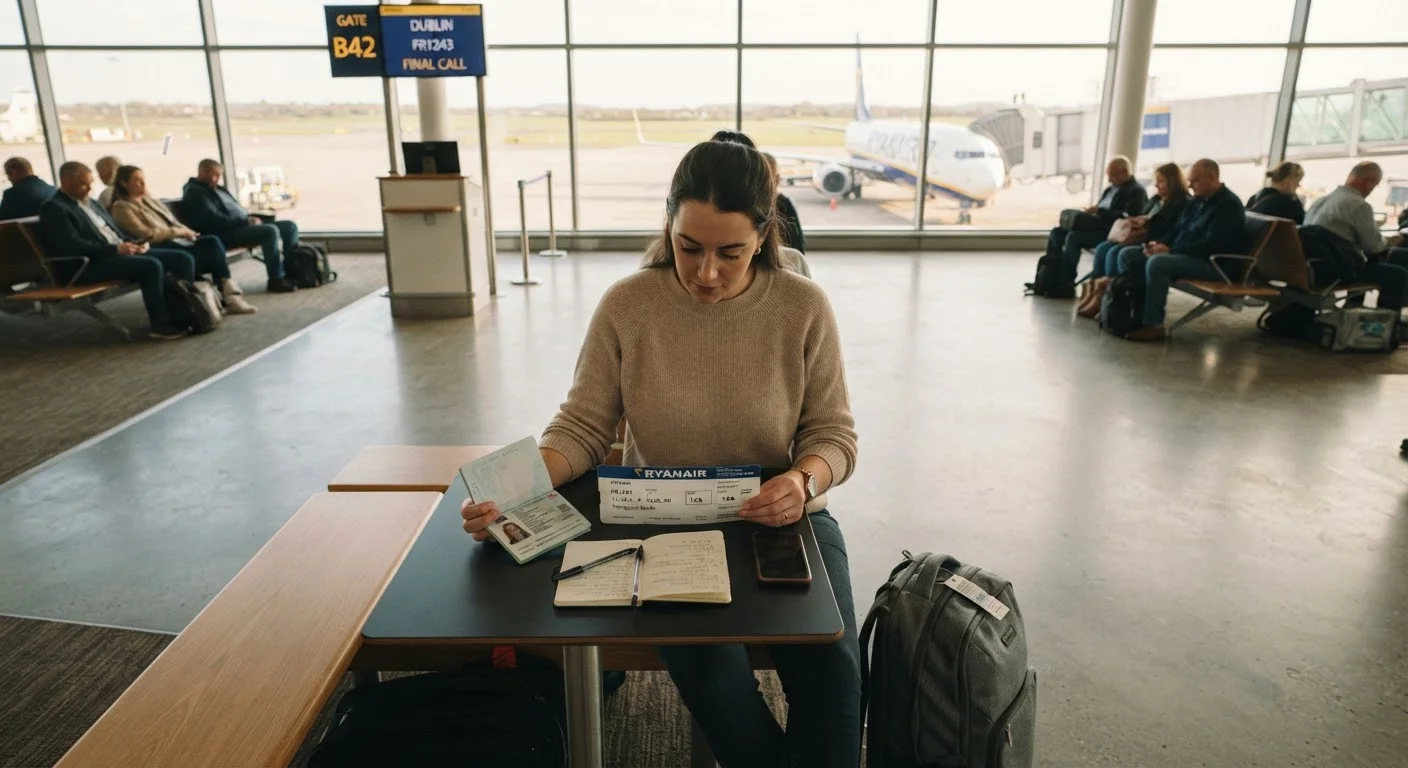
Start here
Passports, Visas, and Entry Requirements
Next
Health, Safety, and Insurance
Then
Money, Cards, and Currency
Before you pack
Packing and Customs
Final step
On the Ground: Arrival and Beyond
Passports, Visas, and Entry Requirements
Your passport is your primary identity document abroad. U.S. passports are valid for 10 years for adults and 5 years for minors, but many countries require at least 6 months of validity remaining at the time of entry — so check your expiration date early. If you need a new or renewed passport, apply well ahead of your departure date, as processing times can stretch beyond standard estimates during high-demand periods.
Beyond the passport, many destinations require a visa — an official authorization to enter the country. Visa types range from tourist visas obtained in advance to visa-on-arrival arrangements. Understanding what visa on arrival actually means is essential, as conditions and eligibility vary significantly. Always verify current entry requirements through the destination country's official embassy or consulate, and cross-reference with the U.S. State Department's travel information pages.
Visa
An official government authorization that allows a foreign national to enter, stay in, or transit through a country for a specified purpose and period.
Customs declaration
A form travelers submit at the border listing goods they are bringing into a country, including cash above set thresholds and certain regulated items.
Travel insurance
A type of insurance policy that can cover unexpected costs during a trip, such as medical emergencies, trip cancellations, or lost luggage — coverage varies by plan.
Foreign transaction fee
A charge some banks or credit card issuers add to purchases made in a foreign currency, typically a small percentage of each transaction.
Visa on arrival
A type of visa that eligible travelers can obtain at a port of entry rather than applying in advance — conditions and eligibility vary by nationality and destination.
STEP (Smart Traveler Enrollment Program)
A free U.S. State Department service that lets American citizens register their international trips so the nearest embassy can contact them in an emergency.
Health, Safety, and Insurance
Some international destinations recommend or require specific vaccinations. The U.S. Centers for Disease Control and Prevention (CDC) publishes destination-specific health notices that outline recommended immunizations and health precautions. Consulting a travel medicine clinic or your primary care provider at least 4–6 weeks before departure gives time for vaccines to take effect.
Travel insurance is a separate but equally important consideration. Policies can cover trip cancellations, medical emergencies, lost luggage, and evacuation — but coverage details differ significantly between plans. Review policy terms carefully. Note that standard U.S. health insurance plans typically provide little to no coverage outside the country. Register your trip with the State Department's Smart Traveler Enrollment Program (STEP) so the nearest embassy can reach you in an emergency.
Don't Assume Your U.S. Health Insurance Covers You Abroad
Most domestic U.S. health insurance plans provide minimal or no coverage for medical treatment outside the country. Medical evacuation alone can cost tens of thousands of dollars without adequate coverage. Review your existing policy and consider supplemental travel insurance that includes emergency medical and evacuation benefits before any international trip.
Money, Cards, and Currency
Managing money abroad requires a bit of advance planning. Notify your bank and credit card providers of your travel dates before departure — without this, automated fraud detection systems may block transactions made overseas. Research whether your cards carry foreign transaction fees, which typically range from 1% to 3% per purchase.
While cards are widely accepted in major cities worldwide, cash remains essential in many rural areas, local markets, and smaller establishments. Exchange currency at reputable locations such as banks or established exchange bureaus rather than airport kiosks, which often charge higher conversion rates. Dynamic currency conversion — when a foreign merchant offers to charge you in U.S. dollars rather than local currency — usually results in a less favorable rate. Declining it and paying in the local currency is generally the better approach.
If you're still building a financial foundation before traveling, see how to build your first real budget before allocating travel funds.
Packing and Customs
Thoughtful packing reduces stress at airport security and on the ground. Most international airlines follow weight and size restrictions for checked and carry-on luggage; verify these directly with your carrier before packing. Carry essential medications, travel documents, a change of clothes, and valuables in your carry-on in case checked luggage is delayed.
Customs regulations govern what travelers can bring into — and take out of — each country. Common restricted items include certain fresh foods, large amounts of undeclared cash (typically over USD $10,000 when entering or leaving the U.S.), and certain animal or plant products. Misrepresenting goods on a customs declaration form can result in confiscation or fines. Before your trip, review the customs rules published by both the U.S. Customs and Border Protection and the destination country's customs authority.
For a complete checklist of what to copy and store before departure, see the documents every traveler should back up.
Photograph Your Documents Before You Leave
Store clear photos of your passport, visa, travel insurance card, and itinerary in a secure cloud location accessible from your phone. If your bag is stolen or lost, having digital backups can significantly speed up replacement and assistance processes at local embassies or consulates.
On the Ground: Arrival and Beyond
Your first international arrival can feel overwhelming. Upon landing, you'll typically pass through immigration, collect checked baggage, and clear customs before entering the country. Have your passport, completed customs declaration form, and accommodation address ready for inspection. Immigration officers may ask about your planned length of stay and purpose of visit.
Once through, connectivity is a practical priority. Consider an international SIM card, a portable Wi-Fi device, or an eSIM plan — many travelers find purchasing a local SIM at the destination more cost-effective than activating international roaming through a U.S. carrier. Download offline maps of your destination before departing home as a backup.
Cultural awareness matters as much as logistics. Research local customs, tipping norms, dress codes at religious sites, and any local laws that differ from those in the U.S. Many common missteps are easy to avoid with basic preparation. Explore trending destinations and what to expect if you're still deciding where to go, or read about what first-time visitors to India often misunderstand for a destination-specific example of how expectations can diverge from reality.
Frequently Asked Questions
The U.S. State Department recommends applying at least 6 months before your trip. Routine processing can take 6–8 weeks or longer during peak periods. Expedited processing is available for an additional fee but timelines still vary.
Not always. Many countries allow U.S. passport holders to enter visa-free or obtain a visa on arrival for short stays. However, requirements vary by nationality and destination, so always verify current rules through the destination country's official embassy or consulate website before traveling.
Travel insurance is rarely legally required but is widely recommended, especially for trips involving significant costs or destinations with limited medical infrastructure. Policies vary widely, so review coverage details carefully before purchasing.
A customs declaration form notifies border authorities of goods you're bringing into a country, including cash above certain thresholds, certain food items, or commercial goods. Most international arrivals fill one out on the plane or at an e-kiosk upon landing.
Most major U.S. credit cards work internationally, but foreign transaction fees can apply unless your card waives them. Always notify your bank of your travel dates and destinations before departure to prevent automatic fraud blocks on your account.
Report the loss immediately to local police and contact the nearest U.S. embassy or consulate. Emergency passport services are available for U.S. citizens abroad. Carrying digital copies of your passport in a secure cloud location speeds up the replacement process significantly.
The content on this site is for informational purposes only and is not a substitute for professional advice. Always consult a qualified professional for guidance specific to your situation.