

What Epidemiological Research Has Established
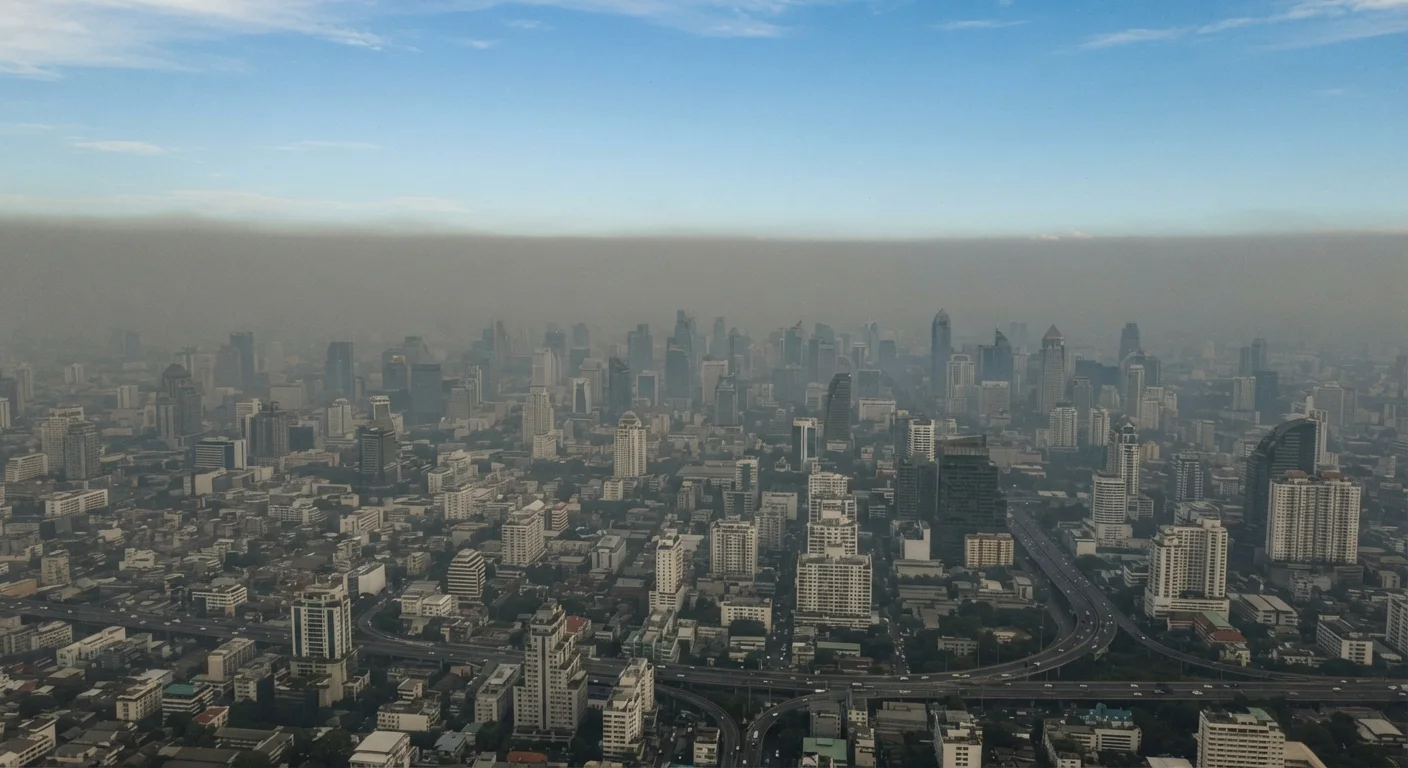
Air pollution and respiratory health have been one of the most extensively studied relationships in modern epidemiology. Large-scale cohort studies — tracking populations across years and decades — have consistently found associations between exposure to ambient air pollutants and a range of respiratory outcomes, including reduced lung function, increased rates of asthma exacerbation, and higher hospitalization rates for chronic obstructive pulmonary disease (COPD).
| Primary respiratory pollutant studied | Fine particulate matter (PM2.5) (U.S. EPA and WHO air quality guidelines) |
| WHO PM2.5 annual guideline | 5 µg/m³ (micrograms per cubic meter) (WHO Global Air Quality Guidelines, 2021) |
| Most vulnerable populations | Children, elderly adults, and people with pre-existing lung or heart conditions (Consistent finding across major epidemiological reviews) |
| Key study type | Long-term prospective cohort studies (Including the Harvard Six Cities Study and ACS Cancer Prevention Study II) |
| Pollutants most linked to asthma exacerbation | PM2.5, ground-level ozone, and NO₂ (EPA Integrated Science Assessments) |
The U.S. Environmental Protection Agency (EPA) and the World Health Organization (WHO) classify several pollutants as particularly relevant to respiratory health. Among them, fine particulate matter (PM2.5) — particles 2.5 micrometers or smaller — has attracted the most research attention. Because of its small size, PM2.5 can penetrate deep into the lungs and, in some studies, enter the bloodstream. The Harvard Six Cities Study, published in the early 1990s and subsequently replicated and extended, was one of the first large prospective studies to link PM2.5 exposure to premature mortality, including deaths attributable to cardiopulmonary causes.
Ground-level ozone, nitrogen dioxide (NO₂), and sulfur dioxide (SO₂) are also well-studied. Research has linked higher concentrations of ground-level ozone to reduced lung function in children and increased emergency department visits for asthma, particularly during warm-weather months when ozone formation peaks.
Key Findings and Where Uncertainty Remains
Epidemiological evidence has grown substantially stronger over time, but researchers are careful to note important distinctions. Most large studies establish associations rather than definitive causal proof for every observed outcome — a standard challenge in population-level research where controlling for all confounding variables is difficult.
PM2.5
Fine particulate matter with a diameter of 2.5 micrometers or less. These tiny particles can penetrate deep into the respiratory tract and are among the most studied air pollutants in relation to lung and cardiovascular health.
Ground-level ozone
A gas formed when sunlight reacts with pollutants such as nitrogen oxides and volatile organic compounds. Unlike the protective ozone layer high in the atmosphere, ground-level ozone can irritate the airways and worsen respiratory conditions.
Cohort study
A type of epidemiological research that follows a defined group of people over time to observe health outcomes. Cohort studies are commonly used to assess how long-term exposures, such as air pollution, relate to disease rates.
COPD
Chronic obstructive pulmonary disease — an umbrella term for progressive lung conditions including emphysema and chronic bronchitis that obstruct airflow and make breathing difficult. COPD has been studied extensively in relation to both occupational and ambient air pollution.
Epidemiology
The scientific study of how diseases and health conditions are distributed across populations and what factors influence those patterns. Epidemiological research forms much of the evidence base for public health policy on air quality.
Dose-response relationship
The measurable relationship between the amount of a substance someone is exposed to and the magnitude of the health effect observed. Establishing a clear dose-response relationship strengthens the case that an association is causal.
Several findings are, however, considered well-supported by the weight of evidence:
- Children and the elderly face disproportionate respiratory risks from elevated pollutant levels, according to consistent findings across multiple national and international studies.
- Long-term exposure to PM2.5 is associated with accelerated lung function decline, even at concentrations below current U.S. regulatory standards, according to research published in journals including the New England Journal of Medicine.
- Short-term pollution spikes — such as wildfire smoke events — are associated with acute respiratory symptoms and increased hospital admissions in the days immediately following elevated exposure.
- People with pre-existing asthma or COPD are particularly vulnerable to both short- and long-term pollution exposure.
What remains less settled is the precise dose-response relationship at lower pollution levels, how different pollutant mixtures interact, and the degree to which certain populations can recover lung function after exposure is reduced. Researchers continue to investigate these questions using improved monitoring data and longitudinal study designs.
For those interested in how indoor air quality compares to outdoor pollution, the differences between air purifiers and ventilation strategies are worth understanding separately, as indoor and outdoor pollution sources differ in important ways.
This article is for general informational purposes only and does not constitute medical advice. Individuals with respiratory conditions or concerns about air quality exposures should consult a qualified healthcare professional.
The content on this site is for informational purposes only and is not a substitute for professional advice. Always consult a qualified professional for guidance specific to your situation.