

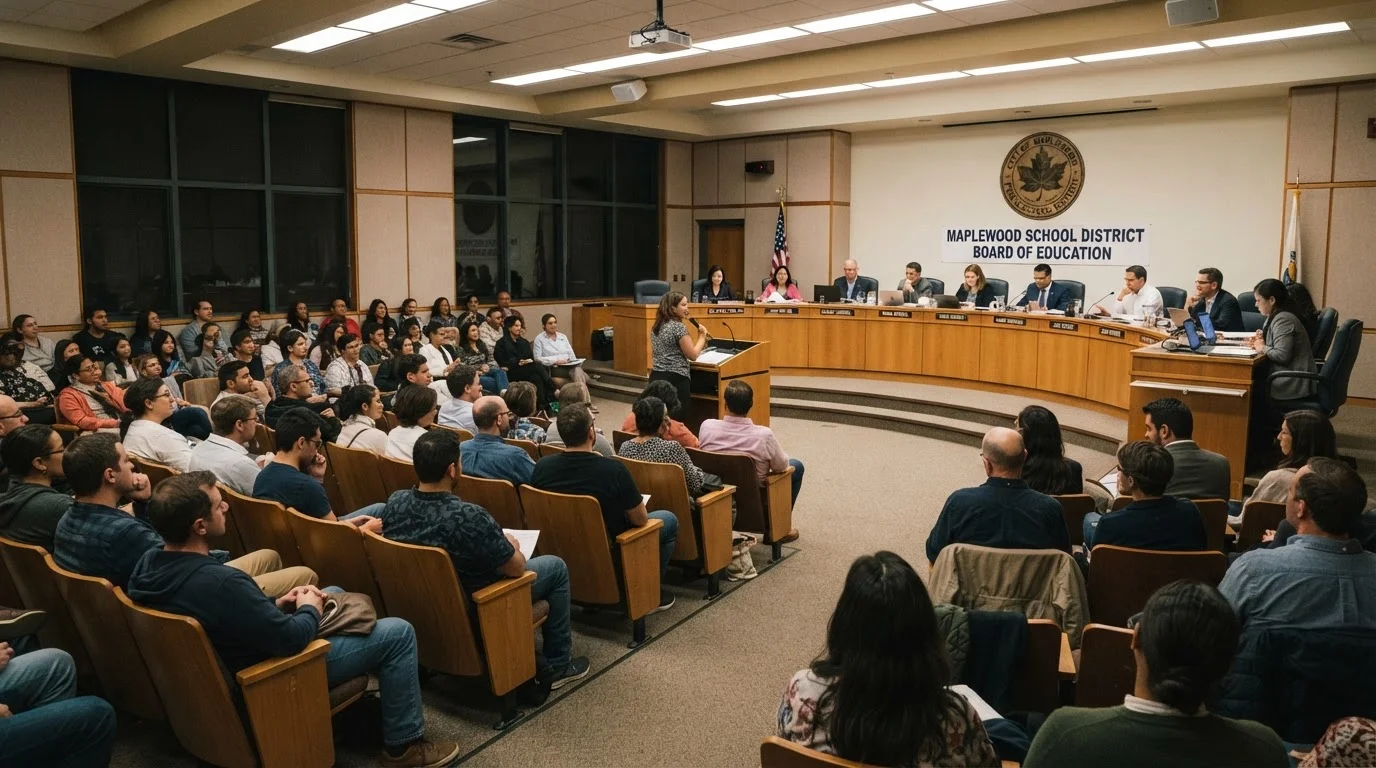
What School Board Meetings Actually Are
A school board meeting is a formal, public session at which a district's elected or appointed governing board conducts official business. These meetings are where major decisions get made: adopting the annual budget, approving curriculum materials, setting personnel policies, and voting on boundary changes that determine which school a child attends. They are not town halls or advisory panels — resolutions passed at these meetings carry the force of policy.
Because school boards are public bodies, their meetings are generally governed by state open-meetings laws (often called "sunshine laws"), which require advance public notice, accessible locations, and an opportunity for community input. If you have ever wondered where education decisions are actually made at the local level, this is it. Topics you may have read about — such as debates between charter and traditional public schools or district rezoning — frequently come to a head at exactly these meetings.
Understanding the policy language used in these settings matters. Before attending, it can help to review a glossary of common education policy terms so acronyms and procedural references do not catch you off guard.
How to Prepare Before You Walk In
Preparation is the difference between feeling lost and feeling informed. Most school districts post meeting agendas — and often supporting documents — on their official websites at least 24 to 72 hours before a meeting. Locating and reading these materials is the single most effective thing a first-time attendee can do.
What you will need
Pay particular attention to items marked for a vote versus items listed as informational updates. A consent agenda — a grouped list of routine items approved in a single vote — is common and moves quickly; if any item on it concerns you, you typically must request its removal before the meeting so it can be discussed separately.
If a topic on the agenda involves student services or school boundaries, consider reading up on related policy areas beforehand. For example, proposals affecting students with disabilities often reference federal law; the rights families may not know they have can be relevant context before those discussions begin.
Step-by-Step: Attending and Participating
The steps below walk you through the typical flow of a school board meeting, from arrival through public comment.
Find and read the agenda in advance
Visit your school district's official website and locate the board meeting section. Download the agenda and any attachments. Note which items are action items (requiring a vote) and which are informational. Highlight anything directly relevant to your interests.
Arrive early and sign in
Plan to arrive at least 15–20 minutes before the scheduled start time. Many districts have a sign-in sheet for attendees and a separate list for public comment speakers. Signing up for public comment early secures your spot; lists often fill before the meeting is called to order.
Follow the meeting structure
Most meetings open with a call to order, a roll call of board members, and approval of previous meeting minutes. The consent agenda is typically handled next. Regular agenda items — presentations, discussion, and votes — follow. Public comment may be scheduled at the beginning, the end, or both, depending on the district's rules.
Listen actively during board discussion
Before or after board members deliberate on each item, staff members or administrators may present reports. Take notes. Notice how individual board members respond to questions and what concerns they raise — this context is useful if you plan to speak or follow up in writing later.
Deliver your public comment (if applicable)
When your name is called, approach the microphone or podium. State your name and your connection to the district. Speak clearly and stay within your time limit — a timer or light signal is usually visible to speakers. Focus on one specific point rather than covering multiple issues; brevity is persuasive.
Follow up after the meeting
Published minutes, which typically appear on the district website within a few weeks, document every motion made and vote recorded. Review them to confirm what was decided. If you have outstanding questions, most districts provide contact information for board members or the district clerk for written follow-up.
Making the Most of Public Comment
Public comment — sometimes called "public forum" or "community input" — is the portion of the meeting reserved for non-board speakers. Time slots are almost always short, typically two to three minutes per speaker, and sign-up often closes before or at the start of the meeting. Arriving early and signing up immediately is essential if you intend to speak.
Written Comments Are an Alternative to Speaking
If public comment time runs out or you are not comfortable speaking aloud, many districts accept written comments submitted before the meeting via email or an online form. These are entered into the official record and read by board members. Check your district's website for submission instructions and deadlines.
Effective public comment is focused and specific. State your name and your connection to the district (parent, teacher, resident), identify the agenda item or policy you are addressing, and present your point clearly within your allotted time. Broad statements about education in general carry far less weight than specific references to data, district documents, or lived experience.
If a rezoning proposal is on the agenda, for instance, grounding your comment in what you know about the process — how rezoning decisions are made and who holds authority — signals informed engagement and is more likely to be taken seriously by board members.
After the meeting, minutes are typically published on the district website. Following up on agenda items and tracking how board members vote over time gives you a fuller picture of local education governance — and better context for future meetings.
The content on this site is for informational purposes only and is not a substitute for professional advice. Always consult a qualified professional for guidance specific to your situation.