

Why Situational Awareness Matters for Travelers
Unfamiliar environments naturally reduce the mental shortcuts people rely on at home. Routine knowledge — which neighborhood to avoid after dark, how aggressive local traffic is, whether a stranger's offer is culturally normal or a setup — disappears the moment you step off a plane in a new city. That gap is where most travel incidents occur, not because a destination is inherently dangerous, but because travelers are operating without context.
Situational awareness isn't about paranoia. It's about gathering enough information to make calm, confident decisions. Travelers who research conditions before arrival, pay attention to their surroundings without being consumed by anxiety, and plan for common disruptions tend to handle problems — when they arise — far more smoothly than those who don't.
The government advisory system is a useful starting point, but it's rarely the full picture. Local news sources, recent traveler forums, and destination-specific guidance from official tourism bodies can fill in what advisories leave out.
Before You Go: The Preparation That Pays Off
Most preventable travel problems have their roots in skipped pre-trip steps. A small investment of time before departure can dramatically reduce stress abroad.
Register with your government's traveler enrollment program before departing.
Programs like the U.S. State Department's STEP (Smart Traveler Enrollment Program) allow embassies to contact you in emergencies and provide updated safety alerts for your destination. This creates a direct communication channel that doesn't depend on you checking the news.
Store digital and physical copies of key documents in separate locations.
Losing a passport abroad can strand a traveler for days if there are no backup records to help expedite replacement. Keeping a photo of the photo page stored in a secure cloud account, plus a paper copy kept apart from the original, gives consular staff something to work with quickly.
Share a detailed itinerary with a trusted contact at home before leaving.
If a traveler goes out of contact unexpectedly, a trusted contact with a current itinerary can alert authorities with accurate information about where the person was expected to be and when. Vague plans make it much harder to locate someone.
Reduce visible markers that identify you as a tourist carrying valuables.
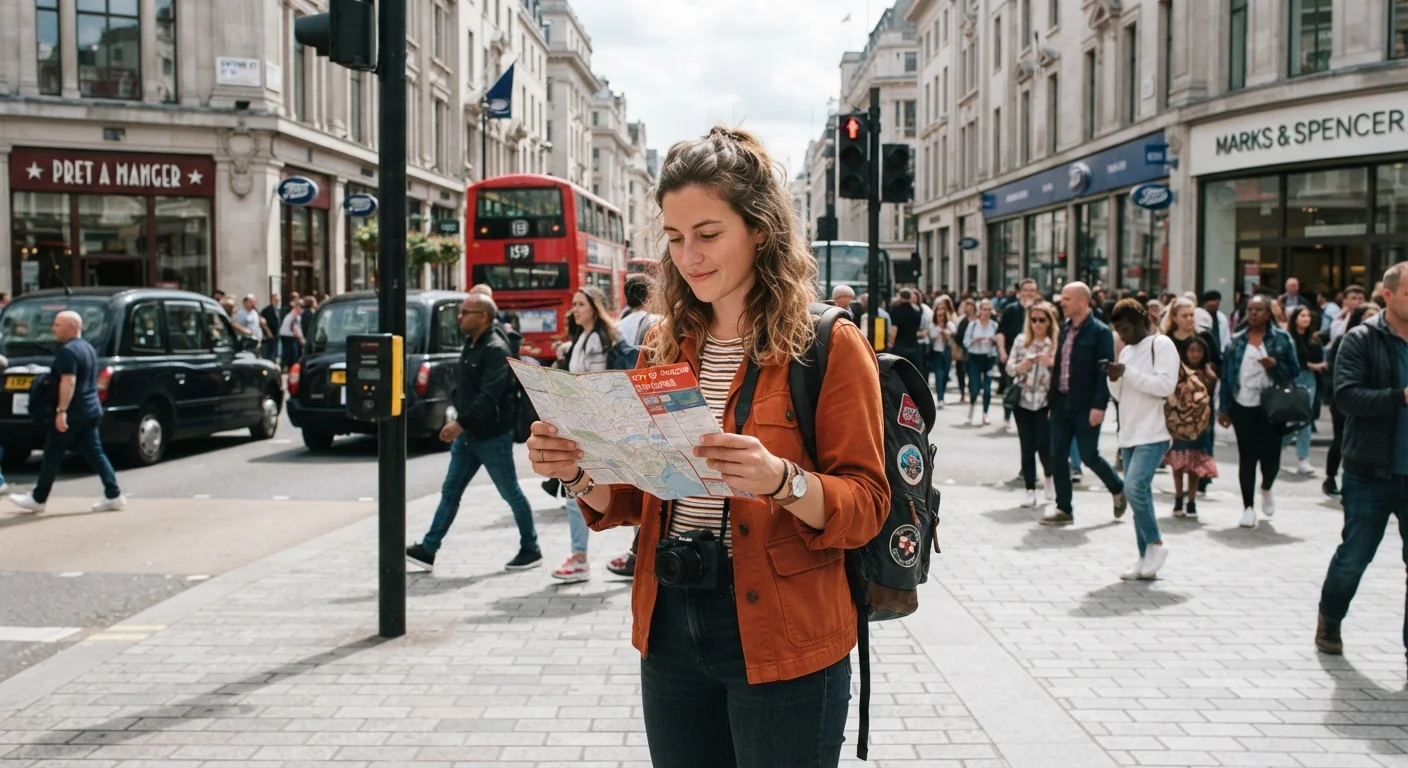
Opportunistic theft is far more common than targeted crime in most travel contexts. Large camera bags, conspicuous luggage tags, guidebooks held openly, and phone use while walking all signal to potential thieves that someone is distracted and may have valuables. Reducing these signals lowers risk without requiring vigilance.
Learn basic emergency phrases and key contact numbers for your destination.
In a genuine emergency — a medical event, a theft, a transportation breakdown — being able to communicate clearly with local services can be critical. Knowing the local emergency number (which isn't always 911) and a few words in the local language reduces response time and confusion.
If you haven't yet put together a document backup system, the checklist of documents every traveler should back up covers exactly what to copy and where to store it. Similarly, your digital habits matter as much as your physical ones — see what public Wi-Fi risks actually look like before connecting at airports or cafés.
On the Ground: Day-to-Day Safety Habits
Arriving in a new place activates a short window when travelers are most vulnerable — jet-lagged, distracted, and unfamiliar with local norms. A few consistent habits help close that window quickly.
One underappreciated risk is social engineering — being manipulated by someone who appears helpful but has another agenda. This isn't limited to digital contexts; it happens in train stations, tourist areas, and even hotel lobbies. Understanding the psychological tactics behind social engineering can make travelers more resistant to them in person as well as online.
It's also worth being honest about the assumptions you carry. Travelers sometimes misjudge destinations based on outdated reputations or idealized social media images. The misjudgements most worth avoiding covers this in detail and is relevant reading before any unfamiliar trip.
Accommodation and Transportation Safety
Where you sleep and how you move around a city are two of the highest-leverage safety variables a traveler controls.
Arriving at Night? Do This First.
If you're arriving at a new accommodation after dark, take two minutes during daylight — or using Street View before travel — to familiarize yourself with the approach to your building. Note the nearest landmark, and confirm your booking contact's after-hours number in case check-in runs late. A small amount of orientation reduces anxiety and decision errors when you're fatigued.
When selecting accommodation, location matters beyond convenience. Being close to well-lit, active streets — particularly if you plan to return late — reduces risk. Before checking in, note the location of emergency exits, confirm the front desk is staffed overnight if that's relevant to your plans, and avoid sharing your room number publicly.
For transportation, use officially licensed taxis or app-based services where you can verify the driver's identity and share your route with a contact. In unfamiliar transit systems, study the route before boarding rather than consulting your phone visibly while traveling. Keep bags in front of your body on crowded public transit and be alert at moments of crowd surge — arrivals, departures, and festival gatherings are known high-opportunity moments for pickpockets.
Digital safety overlaps with physical safety more than most travelers realize. Connecting to unverified networks to check maps or bookings can expose personal data. For travelers who want to build lasting digital habits, foundational digital safety practices apply just as much on the road as at home.
The content on this site is for informational purposes only and is not a substitute for professional advice. Always consult a qualified professional for guidance specific to your situation.