

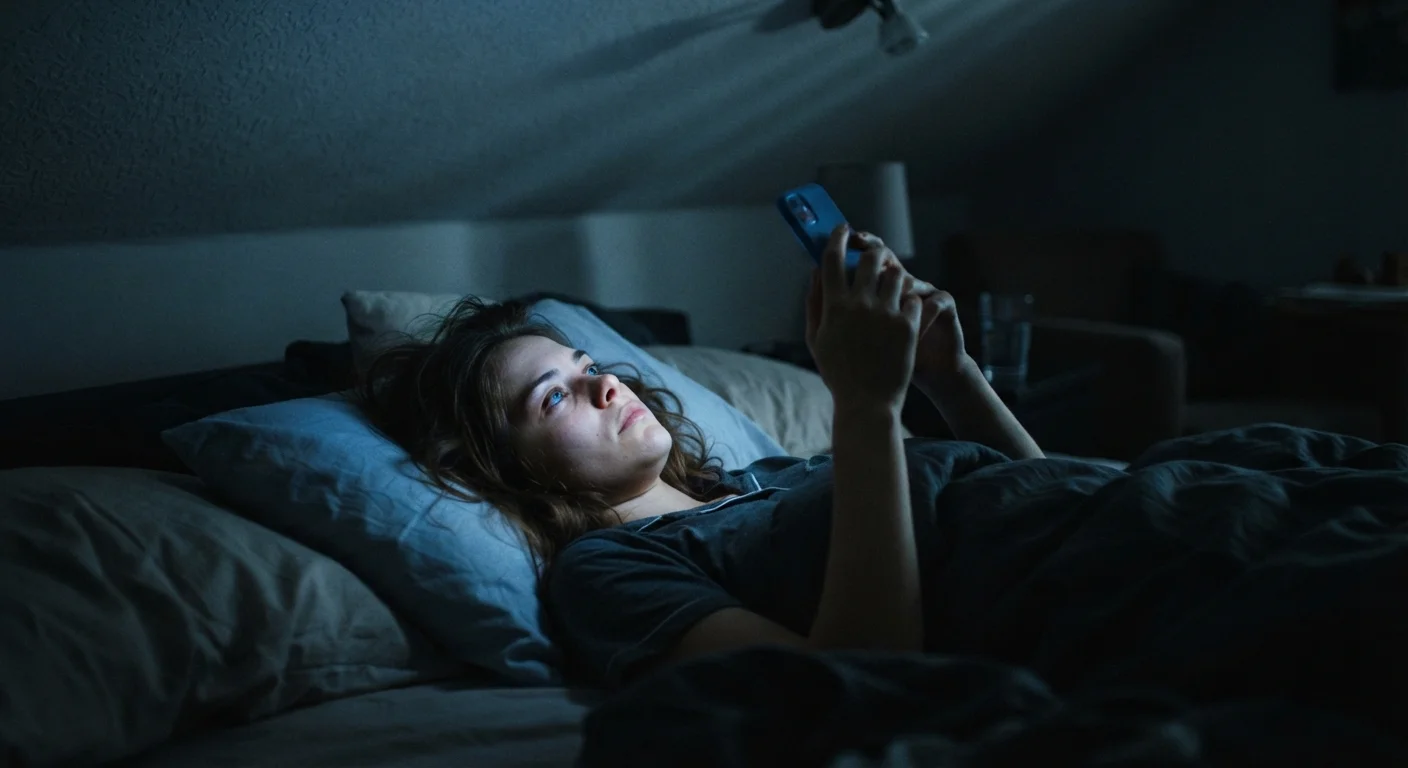
A Nation Running on Empty
Americans are sleeping less than at almost any point in modern recorded history. The Centers for Disease Control and Prevention has described insufficient sleep as a public health epidemic, with data suggesting more than a third of U.S. adults regularly fall short of the recommended seven hours per night. That number rises sharply among shift workers, parents of young children, and people managing multiple jobs.
What makes this trend particularly striking is that it isn't simply a matter of individual choice. Researchers studying sleep across populations point to a web of behavioral, environmental, and structural factors — many of them embedded in the rhythms of modern American life — that are systematically eroding sleep quality and duration. Understanding the science behind this trend is the first step toward making sense of it.
1 in 3
U.S. adults sleeping fewer than 7 hours nightly
According to CDC surveillance data, more than 35% of American adults report regularly getting insufficient sleep.
15–20%
U.S. workforce in shift work roles
Bureau of Labor Statistics estimates suggest a significant share of workers face schedules misaligned with natural circadian rhythms.
7–9 hrs
Recommended nightly sleep for adults
Major health bodies including the CDC and American Academy of Sleep Medicine align on this range for most adults.
The Role of Light, Screens, and Disrupted Circadian Rhythms
Human sleep is governed by the circadian rhythm — a roughly 24-hour internal clock that responds primarily to light and darkness. For most of human history, sunset meant darkness and a natural cue to wind down. Artificial lighting changed that equation, and the proliferation of smartphones, tablets, and LED screens has pushed it further.
Blue-wavelength light, which screens emit in abundance, suppresses the release of melatonin — the hormone that signals the brain to prepare for sleep. Studies published in journals including Sleep Medicine Reviews have documented that evening screen use delays sleep onset, reduces total sleep time, and alters sleep architecture. The effect is dose-dependent: longer and later screen exposure produces more disruption.
Beyond screens, the modern built environment itself contributes. Light pollution means many Americans sleep in rooms that are never fully dark, and irregular light exposure throughout the day can blur the sharp light-dark contrast the circadian system needs to stay calibrated. For more on which sleep findings have proved most durable over time, see our breakdown of enduring sleep science.
Social and Economic Pressures Researchers Often Miss
The conversation about poor sleep frequently focuses on individual habits — phone use, caffeine, irregular schedules. But a growing body of public health research points to structural forces that receive far less attention.
Addressing Sleep Structurally, Not Just Individually
If your sleep difficulties are tied to work schedules, caregiving demands, or financial stress, behavioral tips alone may not be enough. Advocate for workplace flexibility where possible, consider whether your sleep environment can be optimized for darkness and temperature, and speak with a healthcare provider if sleep problems persist. Systemic factors are real — but some environmental changes are within reach.
Work schedules are one of the biggest culprits. Shift workers, who make up roughly 15 to 20 percent of the U.S. workforce according to Bureau of Labor Statistics data, face chronic circadian misalignment that no amount of behavioral optimization can fully fix. Early school start times push adolescents — whose biology naturally favors later sleep — into chronic sleep debt during formative years.
Economic stress is another underappreciated driver. Research published in health journals has linked financial anxiety to hyperarousal — a state of heightened alertness that makes falling and staying asleep harder. Caregiving responsibilities, which fall disproportionately on women, further compress available sleep time. These pressures don't resolve with a better bedtime routine alone.
Wearable devices have made sleep tracking more accessible, though the data they provide has meaningful limitations. For a clear-eyed look at what trackers can and can't reveal, the piece on wearable sleep data is worth exploring.
What the Health Consequences Actually Look Like
The downstream effects of chronic sleep loss are broad and well-documented. Short sleep duration is associated with elevated risk of cardiovascular disease, type 2 diabetes, obesity, and immune dysfunction. The relationship is not merely correlational — controlled laboratory studies show that even a few nights of restricted sleep alter insulin sensitivity, inflammatory markers, and appetite-regulating hormones.
Mental health outcomes are equally significant. Sleep and mood regulation are deeply intertwined: poor sleep amplifies emotional reactivity and impairs the prefrontal cortex's ability to regulate stress responses. The American Psychological Association has noted that anxiety and depression both worsen with inadequate sleep — and in turn, make sleep harder to obtain.
None of this means readers should panic. It means the stakes are real enough to take seriously — and that lasting improvement typically requires looking beyond quick fixes toward the behavioral, environmental, and social conditions shaping sleep in the first place.
This article is for general informational purposes only and does not constitute medical advice. If you are experiencing persistent sleep difficulties or symptoms that interfere with daily functioning, please consult a qualified healthcare professional.
Frequently Asked Questions
Most major health organizations, including the CDC, recommend seven to nine hours per night for adults. Individual needs vary somewhat, but fewer than seven hours consistently is associated with measurable health risks. Age and health status can also influence optimal sleep duration.
Yes — research shows that blue-wavelength light emitted by screens suppresses melatonin, the hormone that signals your brain it's time to sleep. This can delay sleep onset and reduce overall sleep quality. The effect is strongest in the hour or two before bedtime.
Partially — while extra weekend sleep can reduce feelings of fatigue, research suggests it does not fully reverse the cognitive and metabolic effects of weekday sleep deprivation. Irregular sleep schedules also create a form of 'social jet lag' that can disrupt circadian rhythms.
Social jet lag describes the misalignment between a person's biological sleep timing and their socially imposed schedule — like sleeping late on weekends but waking early for work on weekdays. This chronic mismatch is associated with fatigue, mood disturbances, and metabolic health issues.
Yes — the relationship is bidirectional. Poor sleep can worsen anxiety, depression, and stress, while those conditions often interfere with sleep quality. Researchers describe this as a reinforcing cycle that can be difficult to break without addressing both sides simultaneously.
If sleep difficulties are persistent, severely impact daily functioning, or include symptoms like loud snoring, gasping, or excessive daytime sleepiness, a healthcare provider should be consulted. Conditions like sleep apnea require professional diagnosis and treatment. This article is general information, not medical advice.
The content on this site is for informational purposes only and is not a substitute for professional advice. Always consult a qualified professional for guidance specific to your situation.